Blog

  • The Next Financial Inclusion Revolution May Begin at a Local Market

    Why merchant data, customer relationships and trusted digital commerce could become some of Southeast Asia’s most valuable economic infrastructure.

    Consider two small businesses.

    Both generate steady sales. Both have loyal customers. Both have operated successfully for years.

    But one records its transactions digitally, understands its customer patterns and maintains reliable financial information.

    The other operates mostly through cash, informal records and personal experience.

    To their customers, both may be equally successful.

    To a financial institution, they may look very different.

    This is one of the hidden challenges of financial inclusion: economic value exists, but the evidence needed to recognize that value is often missing.

    The World Bank is drawing attention to this opportunity.

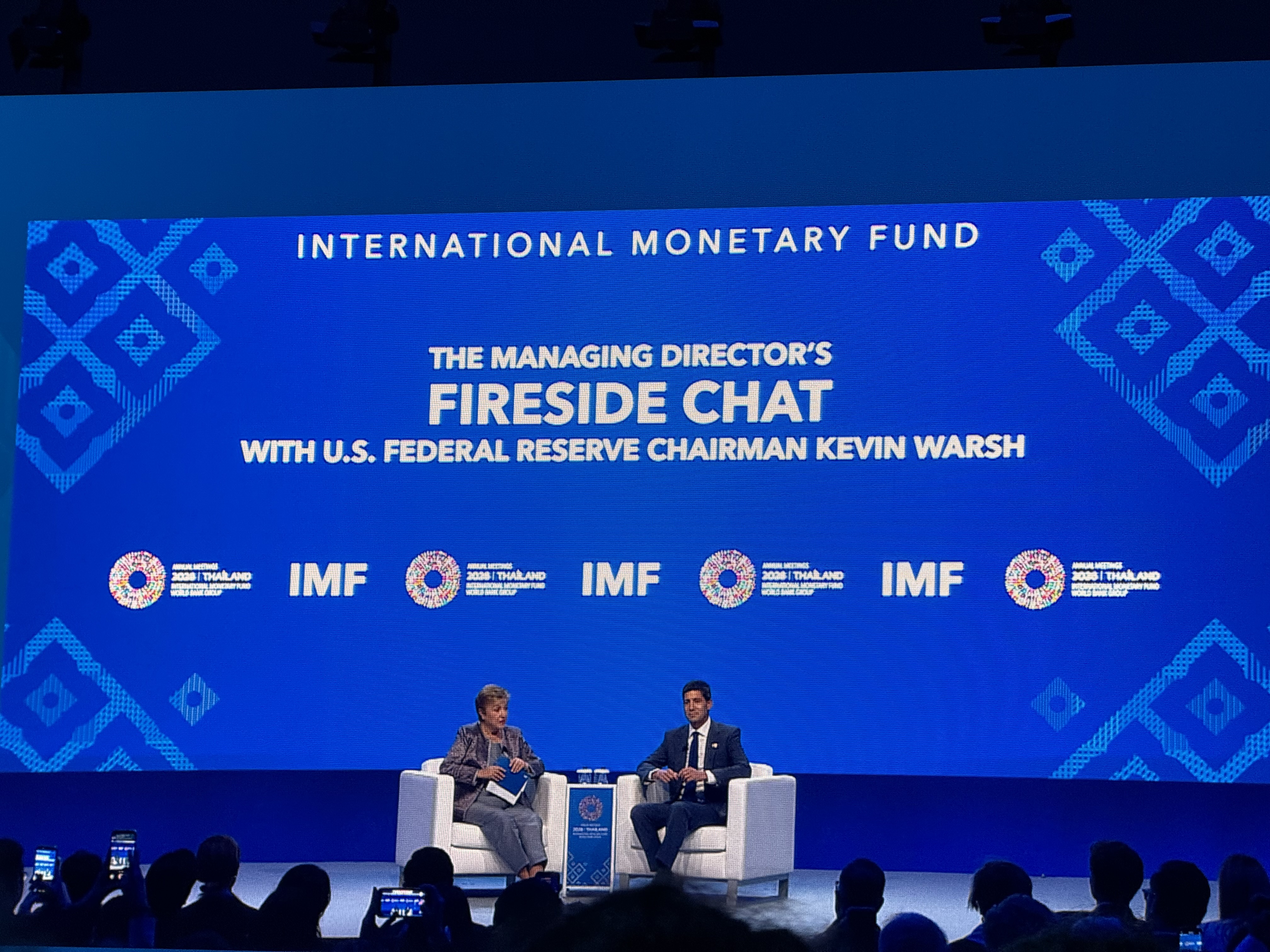
    During the October 13 MSME Finance: Leveraging Data for Jobs event at the 2026 IMF–World Bank Annual Meetings in Bangkok, the World Bank introduced a strategy to help small businesses become more visible, connected, enabled and funded.

    The numbers underline why this matters.

    According to the World Bank, micro, small and medium-sized enterprises account for approximately nine out of ten businesses and three-quarters of workers in developing economies.

    The event brought together World Bank President Ajay Banga, KASIKORNBANK CEO Kattiya Indaravijaya and leaders from companies including Grab, Konfío and Lendable.

    The discussion addressed how digital payments, transaction histories, electronic invoicing and cash-flow data could help financial institutions better understand businesses that lack traditional collateral.

    For Southeast Asia, the implications are significant.

    But I would argue that financial inclusion should not begin with a loan application.

    It should begin with making the underlying business stronger.

    From merchant digitization to merchant intelligence.

    Imagine a market owner managing hundreds of merchants.

    Each merchant has different products, customers, operating hours, inventory cycles and working-capital requirements.

    A digital platform could help these merchants organize everyday activities: sales records, inventory, payments, customer engagement and business reporting.

    Over time, these activities can create something important—a clearer picture of business performance.

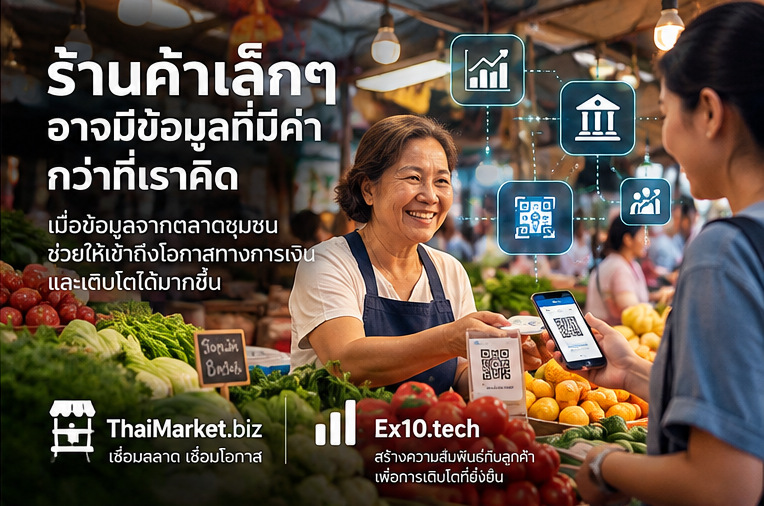
    This is part of the opportunity we see through ThaiMarket.biz, a platform connecting market owners and merchants, and Ex10.tech, focused on customer engagement, CRM and loyalty.

    The two address different but complementary parts of a merchant’s business.

    ThaiMarket.biz can become a foundation for more connected market operations and merchant services.

    Ex10.tech can help merchants better understand and develop customer relationships through engagement and loyalty capabilities.

    Together, they create the possibility of connecting operational intelligence with customer intelligence.

    Consider what that could mean.

    A merchant might discover which products drive repeat purchases, when demand peaks, which promotions actually generate incremental revenue and how cash flow changes across seasons.

    An owner managing an entire market could gain a better understanding of occupancy, merchant performance and the services that tenants need.

    A participating bank, subject to consent and appropriate controls, might eventually use independently verified business records to supplement conventional credit assessment.

    The opportunities extend beyond lending to insurance, supplier financing, inventory optimization and business planning.

    These are future product and partnership possibilities—not services that should be assumed to be available automatically.

    Trust is what makes the opportunity scalable.

    The October 14 launch of the Bangkok Blueprint for Fraud-Resilient Financial Services, developed by the IMF and World Bank Group with the Bank of Thailand, adds another dimension.

    The future of digital finance depends on trust.

    For merchant platforms, that means customer consent, business verification, secure data-sharing arrangements and responsible use of information.

    We should not collect every available data point simply because technology makes it possible.

    Instead, we should ask whether a specific use of information is necessary, fair and genuinely valuable to the merchant.

    A merchant must benefit from participating in the ecosystem.

    And a lending partner must remain accountable for credit decisions and regulatory compliance.

    The opportunity goes beyond Thailand.

    Across Indonesia, Vietnam, the Philippines and other developing markets, small businesses face variations of these same challenges.

    The commercial model will not be identical in every country. Regulations, merchant behavior, payment systems and market structures differ.

    But the underlying capabilities—merchant management, customer engagement, consented data, verification and business analytics—can potentially be adapted and reused.

    That is how a local market technology can become a regional platform.

    At Emetworks, our interest is not simply in adding another digital tool to a merchant’s workload.

    It is in exploring how existing commercial ecosystems can generate more value for the people participating in them.

    Success should be measured by improved merchant income, higher customer retention, more efficient operations and genuinely improved access to financial services.

    Not merely the number of merchants registered on an application.

    An invitation to build together.

    The next generation of financial inclusion may be created through collaboration between market operators, banks, payment providers, retail technology companies and venture builders.

    We would welcome discussions with partners interested in piloting merchant digitization, customer engagement, permissioned commercial-data infrastructure and responsible financial-services innovation.

    Because when a small business becomes more visible, more productive and more financially capable, the opportunity extends far beyond one merchant.

    It strengthens the wider economy.

    Better business data should create better opportunities—not just more data.


    Explore the emerging ecosystem: ThaiMarket.biz · Ex10.tech

    Further reading: World Bank — MSME Finance: Leveraging Data for Jobs · Bank of Thailand — Bangkok Blueprint

    #FinancialInclusion #MSME #Fintech #DigitalCommerce #Ex10 #ThaiMarket #ThailandToTheWorld

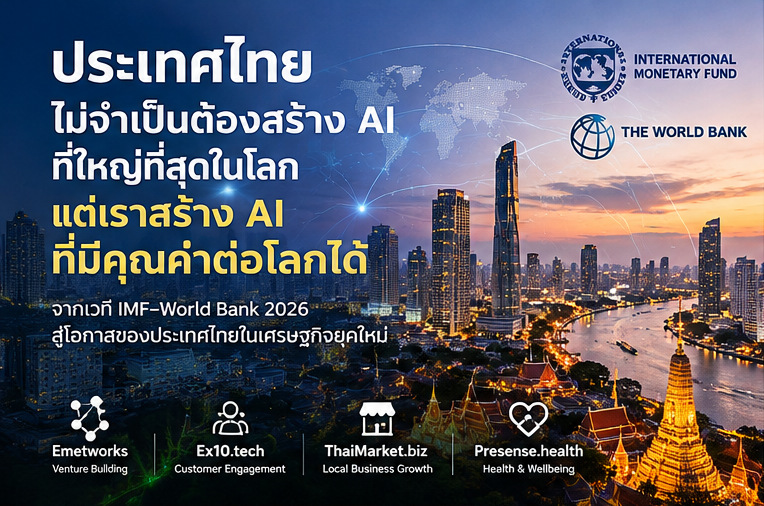
  • Thailand Doesn’t Need to Build the Biggest AI. We Need to Build What Matters.

    What the 2026 IMF–World Bank Annual Meetings reveal about Thailand’s opportunity to create globally relevant technology, stronger businesses and a more inclusive economy.

    By Arunthep “Gun” Sangvareethip | Emetworks

    Bangkok is hosting some of the world’s most influential economic and development leaders this October, as the IMF and World Bank Group convene their 2026 Annual Meetings.

    The conversations are understandably about big things: economic uncertainty, artificial intelligence, financial stability, private capital and the future of employment.

    But one question matters especially to me:

    How do we make sure Thailand becomes a creator of the next global economic opportunity, rather than simply a consumer of technology developed elsewhere?

    After spending years working across technology, venture building, financial services and healthcare, I believe the answer may be closer than we think.

    We do not necessarily need to build the world’s largest AI model, own the most powerful data center or compete with every Silicon Valley company.

    We need to solve meaningful problems, prove that our solutions work and build businesses that can scale beyond Thailand.

    And the discussions emerging from the IMF–World Bank meetings reinforce why this approach matters.

    1. The future of AI is not just about intelligence. It is about usefulness.

    One of the most relevant discussions at the World Bank’s October 12 flagship event was Small AI: More and Better Jobs.

    World Bank Group President Ajay Banga joined leaders including Singapore President Tharman Shanmugaratnam and IMF Managing Director Kristalina Georgieva to examine how affordable, practical AI could improve lives and productivity in developing economies.

    The World Bank’s framing was important: AI applications designed around local languages, infrastructure and financial realities may create enormous value without requiring frontier-scale models.

    That resonates with how we think about venture building at Emetworks.

    Technology becomes meaningful when it helps a small merchant grow sales, enables a caregiver to respond more quickly to someone in need, or makes financial services more accessible to a previously underserved business.

    An impressive demonstration is not the same as a successful business.

    The real test is whether technology creates measurable value for people who use it every day.

    2. Small businesses should be treated as engines of economic intelligence.

    On October 13, the World Bank Group introduced its MSME strategy during MSME Finance: Leveraging Data for Jobs.

    The objective is to help small businesses become more visible, connected, enabled and funded.

    The discussion brought together Ajay Banga and industry leaders including KASIKORNBANK CEO Kattiya Indaravijaya, representatives from Grab Financial Services, Konfío and Lendable.

    One particularly important idea was the use of digital payments, transaction records, electronic invoices and cash-flow information to improve financial access for businesses without conventional collateral.

    Think about a small merchant in a local Thai market.

    That merchant may have loyal customers, a viable business and years of operating experience. Yet without well-organized financial records, a bank may struggle to understand the business.

    The issue is not necessarily the absence of economic activity.

    It is the absence of usable, trustworthy information.

    This is one of the opportunities we are exploring through ThaiMarket.biz, connecting market owners and merchants, and Ex10.tech, focused on customer engagement, CRM and loyalty.

    Imagine a future in which merchant operations, customer relationships and properly consented transaction data help businesses make better decisions and establish credible operating histories.

    Financing could become one possible benefit, through partnerships with appropriately regulated financial institutions.

    But the first goal should be more fundamental: helping merchants run healthier, more productive businesses.

    3. An ageing society is also an opportunity to rethink healthcare.

    Asia is entering a period of significant demographic change.

    The IMF’s recent publication, Shaping the Future of Asia, identifies ageing, technology and productivity as interconnected challenges for the region.

    At the same time, many healthcare systems remain predominantly reactive.

    We often wait until a person becomes ill, falls or requires emergency assistance before the system responds.

    What if more care could begin earlier, closer to home?

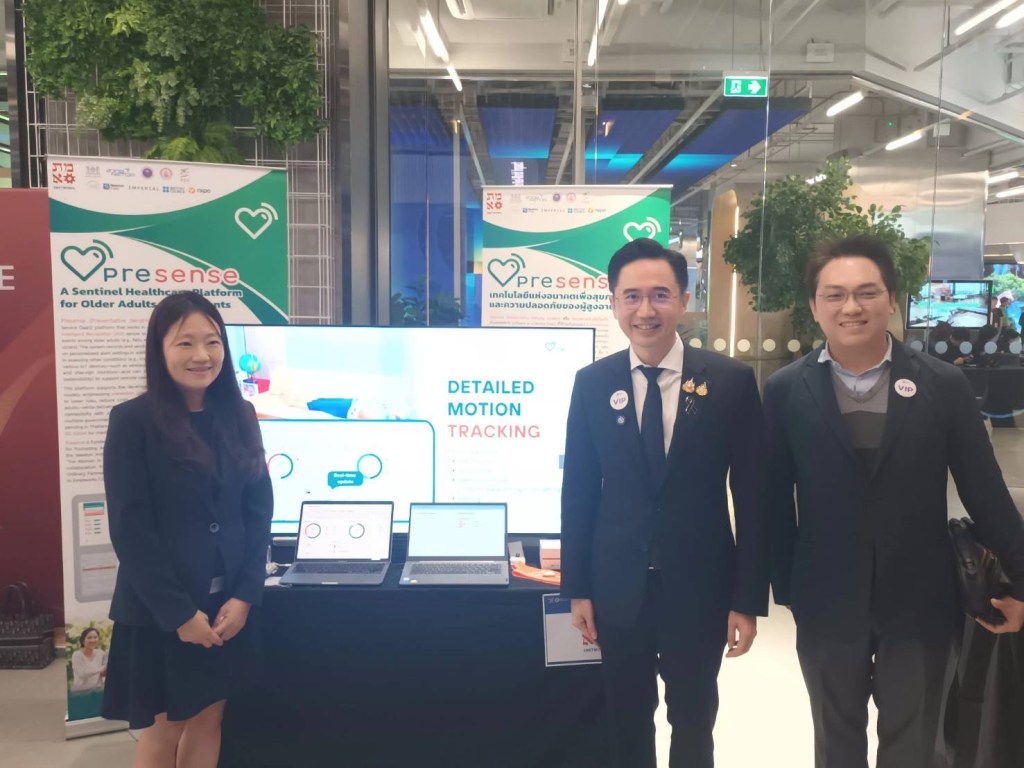
    That question is central to Presense.health.

    Our ambition is to make continuous, unobtrusive home-health monitoring and timely caregiver support more accessible, bringing together sensors, longitudinal information and care workflows.

    We believe healthcare innovation should not be measured simply by the number of devices deployed or AI algorithms created.

    It should be measured by clinically validated improvements in safety, response, quality of life and care delivery.

    Preventive healthcare is a complex challenge, requiring medical evidence, privacy, trust and integration with existing providers.

    But it is also an opportunity for Thailand to develop solutions that could be relevant to ageing societies far beyond our borders.

    4. Digital trust must become part of the infrastructure.

    On October 14, the IMF, World Bank Group and Bank of Thailand launched the Bangkok Blueprint for Fraud-Resilient Financial Services.

    This is particularly meaningful because Thailand is not merely hosting international discussions. It has contributed to a policy framework addressing a problem faced by countries around the world.

    Financial fraud is not just a security problem.

    It affects confidence, participation and people’s willingness to adopt digital services.

    And trust cannot be created by banks alone.

    Digital platforms, merchants, telecom operators, financial institutions and regulators all have roles to play.

    As we build more connected platforms, we must design identity verification, cybersecurity, appropriate data governance and consumer protection into the foundations.

    Trust should not be something we add after reaching a million users.

    It should be part of how we earn the first hundred.

    5. Thailand’s opportunity is to build solutions that travel.

    The IMF’s latest outlook illustrates a global economy navigating both disruption and opportunity. AI-driven investment is supporting some economies, while others face pressures from energy prices, inflation and structural challenges.

    Thailand cannot assume that its traditional sources of growth will be sufficient indefinitely.

    But we do have valuable foundations: entrepreneurial communities, expertise in financial services, manufacturing and healthcare, strong regional connections and people who understand emerging-market challenges firsthand.

    What we need is a more deliberate path from local problem-solving to international commercialization.

    I see three opportunities:

    First, digital commerce and financial inclusion. Help smaller businesses digitize, grow and build trusted operating histories.

    Second, preventive healthcare. Develop evidence-based technologies that make ageing at home safer and care more accessible.

    Third, practical AI infrastructure. Build reusable technology that helps organizations increase productivity, make better decisions and create better employment opportunities.

    There are also opportunities in food and nutrition systems, supply-chain transparency and education—areas where applied technology can generate measurable economic and social outcomes.

    None of these markets can be conquered by technology alone.

    They require patient collaboration among founders, large enterprises, researchers, regulators, investors and communities.

    6. Venture building should be about value creation, not just valuations.

    At Emetworks, our philosophy has long been that meaningful ventures are built by connecting capabilities that already exist across ecosystems.

    Sometimes the technology exists, but distribution is missing.

    Sometimes the demand is clear, but the business model is not.

    Sometimes talented researchers have developed something remarkable, but need the engineering, operational and commercial support to make it accessible at scale.

    Venture building is about bringing these pieces together.

    Through initiatives such as Ex10.tech, ThaiMarket.biz and Presense.health, we are working to translate this philosophy into practical solutions.

    We still have much to learn and prove.

    But that is precisely why measurable results matter more than announcements.

    Our success should ultimately be judged by the number of lives improved, businesses strengthened, sustainable jobs created and solutions adopted beyond our original market.

    From Thailand, for the world.

    The IMF–World Bank Annual Meetings will end. International delegates will return home. The global economic conversation will move to another city.

    But Thailand’s opportunity should not end with the event.

    My hope is that we use this moment to build lasting connections between policymakers, industry leaders, researchers, entrepreneurs and investors.

    Not simply to attract more technology into Thailand.

    But to help more world-class technology come out of Thailand.

    We may not have the largest market or the deepest capital pools.

    But we have real problems worth solving, talented people and the opportunity to demonstrate new models that other countries can learn from.

    And perhaps that is where meaningful global leadership begins.

    Build what matters. Prove what works. Scale what creates value.


    At Emetworks, we welcome conversations with enterprises, investors, academic institutions, healthcare providers and ecosystem partners who share this ambition.

    Explore: Ex10.tech⁠ · ThaiMarket.biz⁠ · Presense.health⁠

    References: World Bank — Small AI⁠ · World Bank — MSME Finance⁠ · Bank of Thailand — Bangkok Blueprint⁠ · IMF — Shaping the Future of Asia⁠

    #ThailandToTheWorld #VentureBuilding #AppliedAI #FinancialInclusion #HealthTech #Emetworks

  • หยุดผลิตแค่หมอ: ทำไม “โครงสร้างพื้นฐานดิจิทัล” คือคำตอบที่จะกอบกู้ทั้งคนไข้และเศรษฐกิจไทย

    หยุดผลิตแค่หมอ: ทำไม “โครงสร้างพื้นฐานดิจิทัล” คือคำตอบที่จะกอบกู้ทั้งคนไข้และเศรษฐกิจไทย

    บทเรียนจากเวที AI HealthCare & Well-Being Summit 2026 และเส้นทางจาก “งานวิจัยระดับโลก” สู่ “ผลกระทบจริง” บนแผ่นดินไทย


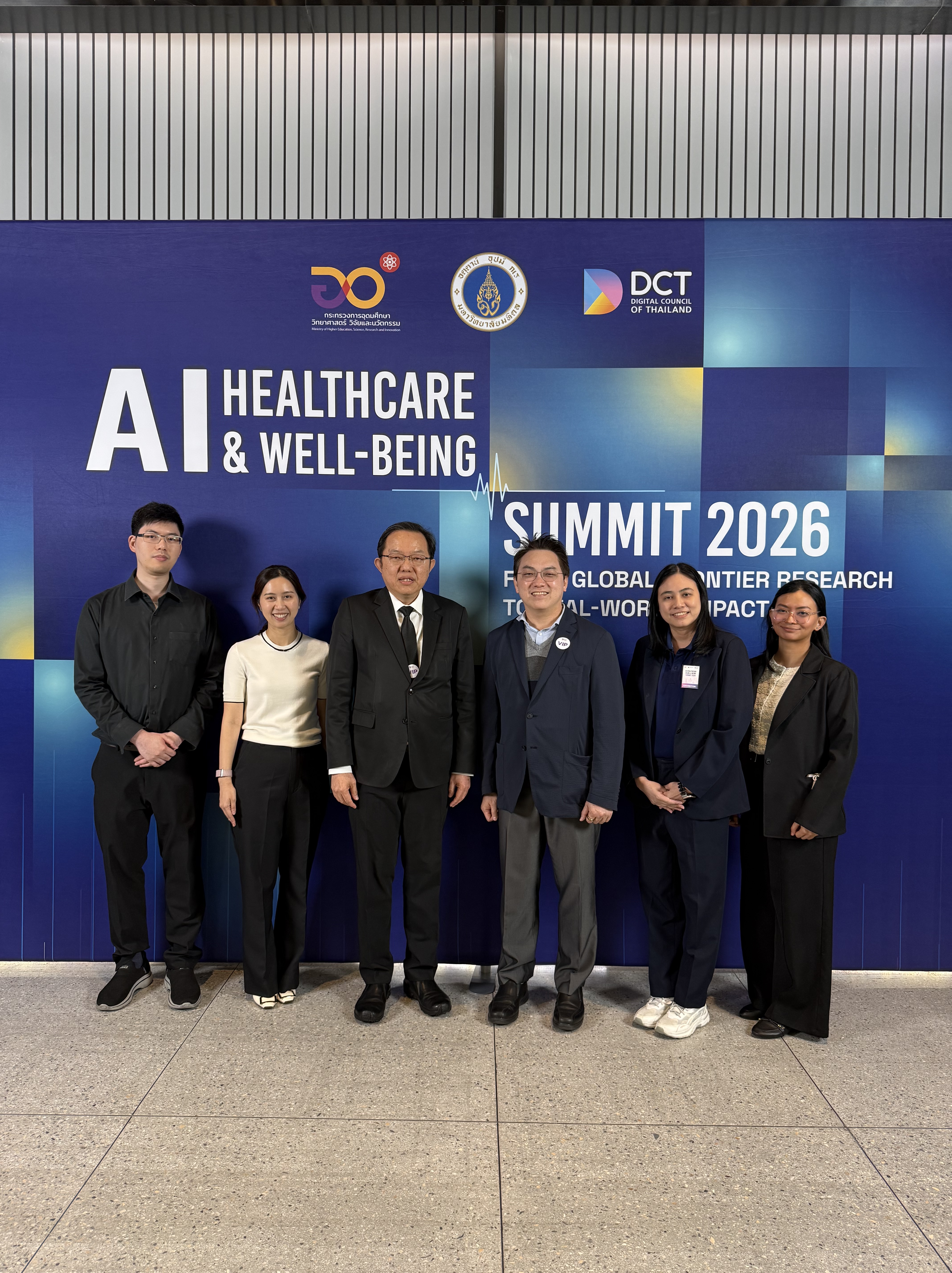
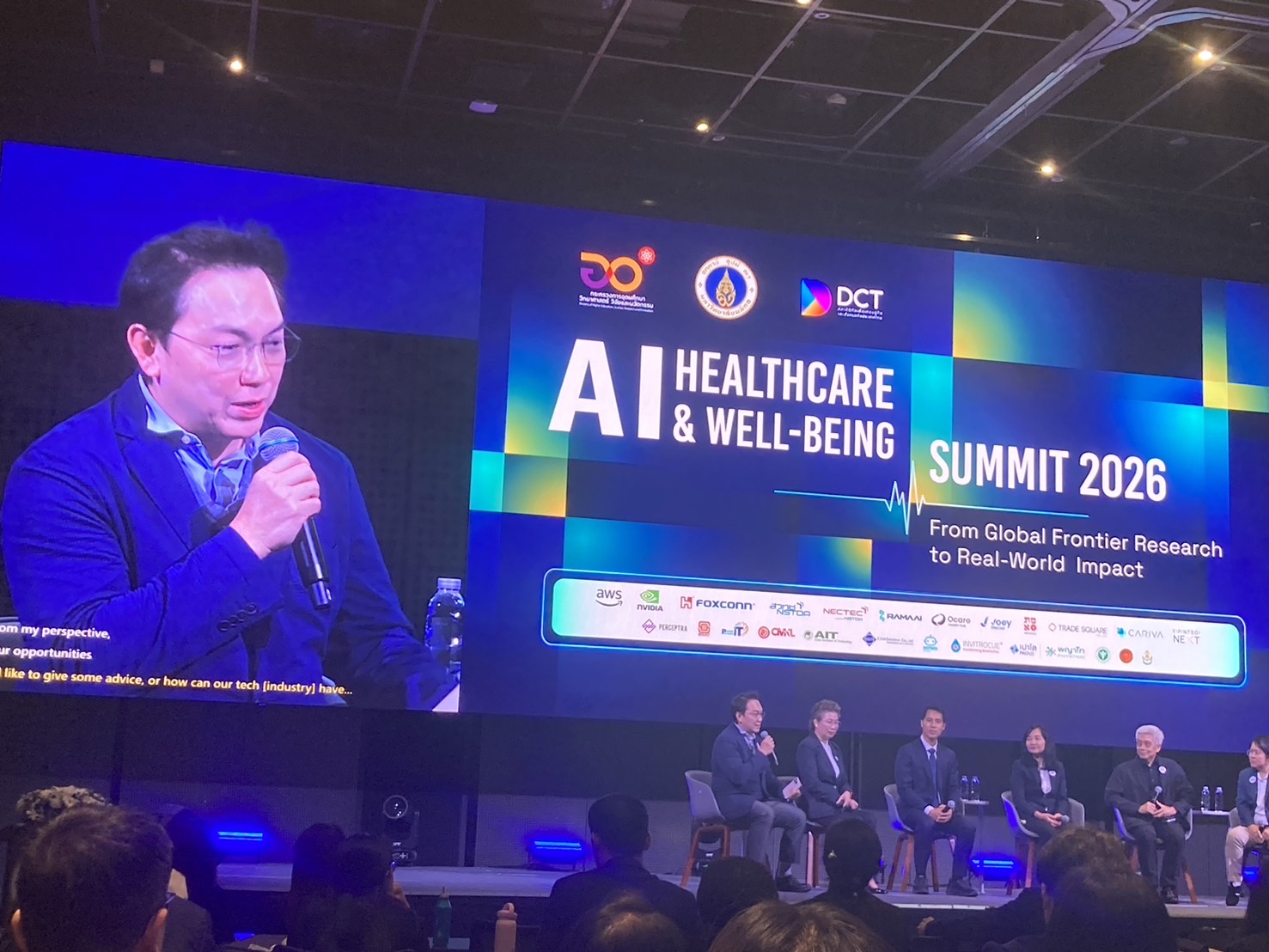
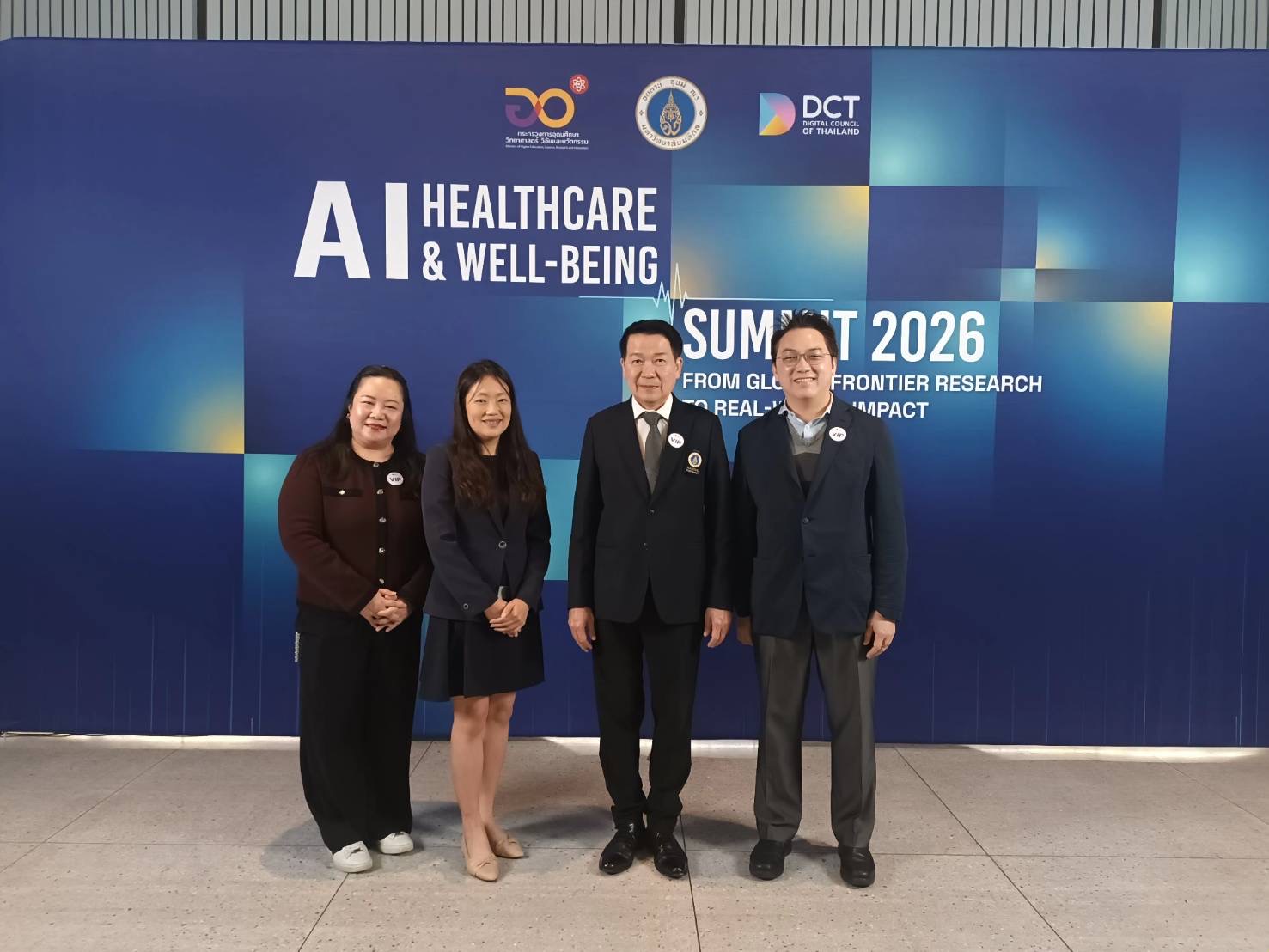
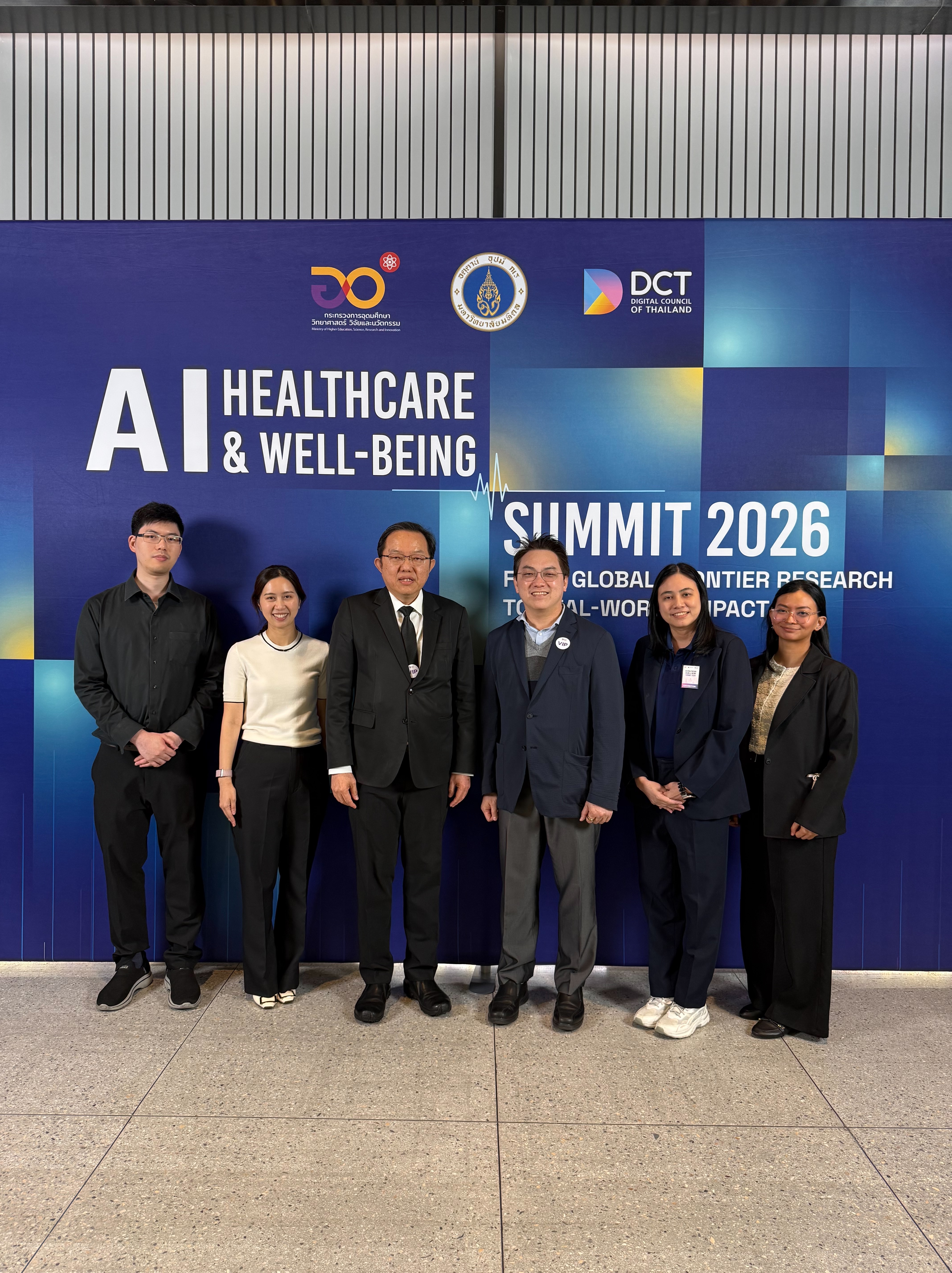
    เมื่อวันที่ 25 มิถุนายนที่ผ่านมา ผมได้มีโอกาสเข้าร่วมงาน AI HealthCare & Well-Being Summit 2026 ณ True Digital Park กรุงเทพฯ ซึ่งจัดโดยคณะเทคโนโลยีสารสนเทศและการสื่อสาร (ICT) มหาวิทยาลัยมหิดล โดยมี ศาสตราจารย์ ดร.ยศชนัน วงศ์สวัสดิ์ รองนายกรัฐมนตรีและรัฐมนตรีว่าการกระทรวงการอุดมศึกษา วิทยาศาสตร์ วิจัยและนวัตกรรม (อว.) ให้เกียรติกล่าวเปิดงาน

    สิ่งที่ตรึงใจผมไม่ใช่แค่รายชื่อ Keynote ระดับโลก — ตั้งแต่ Dr. John-Ross (JR) Rizzo จาก New York University (NYU) ไปจนถึง Dr. Yung-Hui Li ผู้อำนวยการศูนย์วิจัย AI ของ Hon Hai Research Institute (Foxconn) — แต่คือ ธีมของงาน ที่ผมคิดว่าสรุปโจทย์ใหญ่ที่สุดของวงการสุขภาพไทยไว้ในประโยคเดียว นั่นคือ

    “From Global Frontier Research to Real-World Impact” — จากงานวิจัยระดับแนวหน้าของโลก สู่ผลกระทบในโลกจริง

    เพราะความจริงที่เจ็บปวดก็คือ เรามีงานวิจัยและเทคโนโลยีที่ดีพอจะเปลี่ยนโลกอยู่เต็มไปหมด แต่ส่วนใหญ่กลับ “ไปไม่ถึง” คนไข้ และนี่คือหัวใจของบทความนี้


    “มรสุมสองลูก” ที่ประเทศไทยหนีไม่พ้น

    ประเทศไทยกำลังเผชิญสถานการณ์ที่ผมเรียกว่า Double Whammy หรือมรสุมสองลูกพร้อมกัน

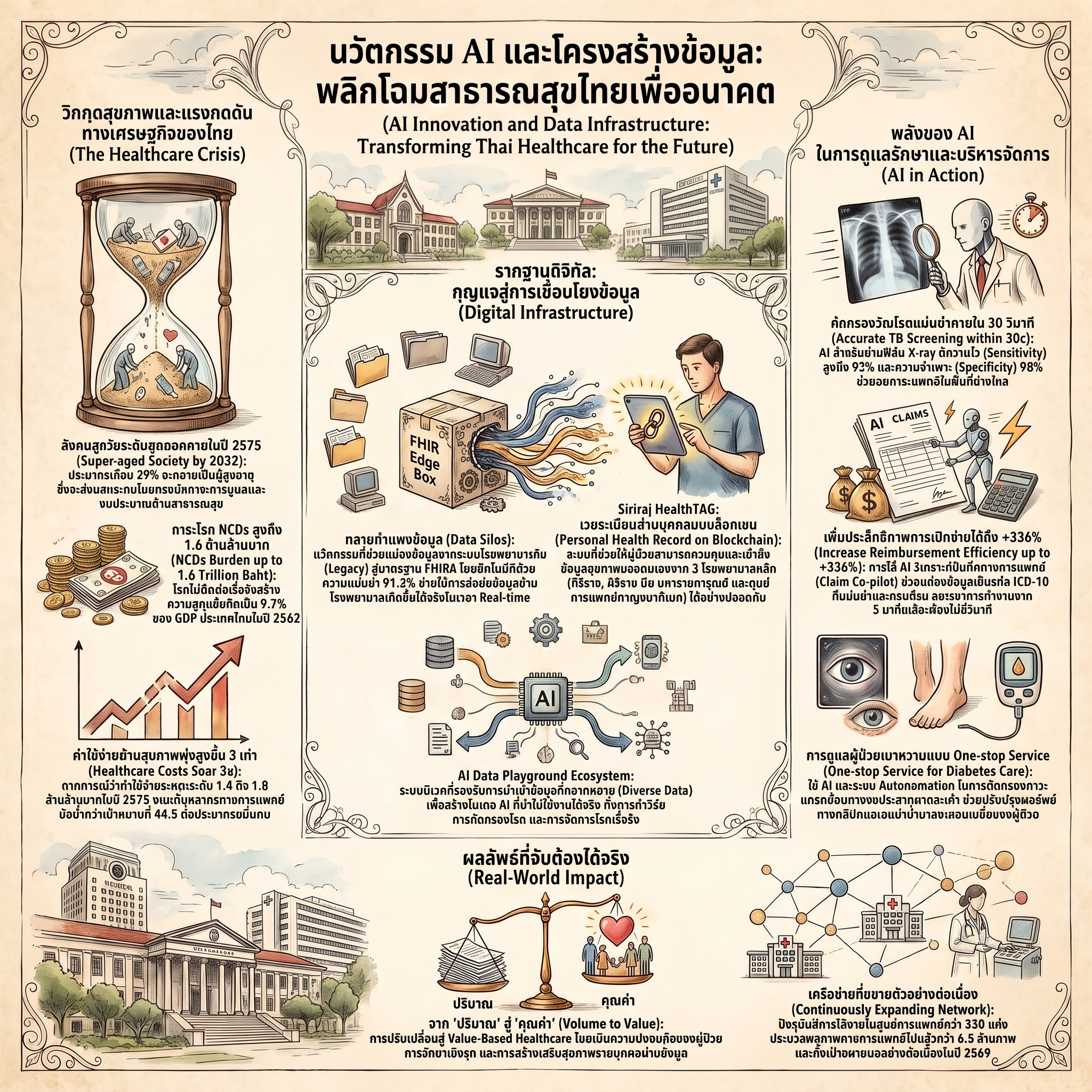
    ลูกแรก — เราแก่เร็วและแก่แบบก้าวกระโดด องค์การอนามัยโลก (WHO) ระบุว่าไทยเข้าสู่ “สังคมสูงวัย” มาตั้งแต่ปี 2548 และกำลังจะกลายเป็น “สังคมสูงวัยระดับสุดยอด” (Super-aged Society) ในช่วงต้นทศวรรษ 2030 โดยคาดว่าสัดส่วนผู้สูงอายุจะแตะระดับเกือบ 1 ใน 3 ของประชากร ที่น่ากังวลคือ เราแก่ก่อนที่ระบบสาธารณสุขและเศรษฐกิจจะพร้อมรองรับ (Aging before getting rich)

    ลูกที่สอง — ภาระจากโรคไม่ติดต่อเรื้อรัง (NCDs) ตัวเลขจาก WHO Thailand NCDs Investment Case ชี้ชัดว่ากลุ่มโรค NCDs (มะเร็ง โรคหัวใจและหลอดเลือด เบาหวาน และโรคปอดเรื้อรัง) คร่าชีวิตคนไทยราว 400,000 คนต่อปี คิดเป็น 74% ของการเสียชีวิตทั้งหมด และสร้างความสูญเสียทางเศรษฐกิจสูงถึง 1.6 ล้านล้านบาทต่อปี หรือราว 9.7% ของ GDP โดยกว่า 91% ของมูลค่านี้ไม่ได้มาจากค่ารักษา แต่มาจาก การสูญเสียกำลังการผลิตของชาติ — คนวัยทำงานที่ป่วย ลางาน หรือจากไปก่อนวัยอันควร

    นี่ไม่ใช่ปัญหาสาธารณสุขเพียงอย่างเดียว แต่คือปัญหา ความมั่นคงทางเศรษฐกิจ ที่กำลังกัดกร่อนความยั่งยืนของระบบหลักประกันสุขภาพถ้วนหน้า (UHC) ที่เราภูมิใจ

    ในฐานะนักลงทุนและนักสร้างนวัตกรรมที่คลุกคลีกับการสร้างเวนเจอร์มากว่า 50 บริษัทตลอด 20 ปี ผมขอยืนยันด้วยความเคารพว่า เราจะแก้โจทย์นี้ด้วยการ “ผลิตหมอเพิ่ม” เพียงอย่างเดียวไม่ได้ สิ่งที่เราต้องการคือการวางรากฐานใหม่ทั้งระบบ — Digital Infrastructure ที่จะพาเราจากระบบที่เน้นปริมาณ (Volume-based) ไปสู่ระบบที่เน้นคุณค่า (Value-based Healthcare)

    ต่อไปนี้คือ 5 เสาหลักที่ผมเชื่อว่าจะเป็นตัวเปลี่ยนเกม


    1. AI คือ “CPR” กู้เวลาให้บุคลากรทางการแพทย์

    หลายคนกลัวว่า AI จะมาแย่งงานหมอ — ผมมองตรงกันข้าม

    บทบาทที่แท้จริงและเร่งด่วนที่สุดของ AI ในวันนี้คือการทำหน้าที่เสมือน “Administrative CPR” — กู้ชีพเวลาของแพทย์คืนมาจากกองงานเอกสารที่ซ้ำซากจำเจ ลองนึกภาพแพทย์ที่ต้องเสียเวลาหลายชั่วโมงต่อวันไปกับการบันทึกเวชระเบียน ร่างรายงานสรุปการจำหน่ายผู้ป่วย (Discharge Summary) และกรอกแบบฟอร์ม แทนที่จะได้ใช้เวลานั้นกับคนไข้ตรงหน้า

    เทคโนโลยี Ambient AI Scribe หรือผู้ช่วยจดบันทึกอัจฉริยะที่ฟังบทสนทนาระหว่างแพทย์กับคนไข้แล้วร่างบันทึกทางคลินิกให้แบบเรียลไทม์ กำลังเปลี่ยนเกมนี้ทั่วโลก งานที่เคยใช้เวลาเป็นนาที (หรือบางกระบวนการเป็นวัน) ถูกย่นเหลือเพียงไม่กี่วินาที เสียงสะท้อนจากแพทย์ผู้ใช้งานจริงตรงกันว่า “เร็วกว่าการพิมพ์เองมาก”

    หัวใจสำคัญไม่ได้อยู่ที่ความเร็ว แต่อยู่ที่ การคืนเวลาให้กับ “ความสัมพันธ์ระหว่างแพทย์และคนไข้” ซึ่งคือหัวใจของการรักษาที่มีคุณภาพและผลลัพธ์ที่ดี


    2. ทลายกำแพง “ไซโลข้อมูล” ด้วยสภาพคล่องของข้อมูล (Data Liquidity)

    อุปสรรคที่ใหญ่ที่สุดของ Data-driven Healthcare ในไทยไม่ใช่การขาดข้อมูล แต่คือ “ไซโลข้อมูล” (Data Silos) ข้อมูลคนไข้ถูกขังอยู่ในระบบ HIS ของแต่ละโรงพยาบาลที่คุยกันไม่รู้เรื่อง พอคนไข้ย้ายโรงพยาบาล ประวัติก็เริ่มนับหนึ่งใหม่

    ทางออกไม่ใช่การทุบระบบเดิมทิ้งทั้งหมด (ซึ่งแพงและเสี่ยง) แต่คือการสร้าง “ตัวแปลภาษากลาง” ที่แปลงข้อมูลเดิม (Legacy Data) ให้เป็นมาตรฐานสากลอย่าง HL7 FHIR ได้แบบอัตโนมัติ พร้อมประมวลผลที่ขอบเครือข่าย (Edge Computing) ภายในรั้วโรงพยาบาล

    จุดที่สำคัญที่สุดสำหรับยุคนี้คือเรื่อง ความเป็นส่วนตัว เทคนิคอย่าง Federated Learning ช่วยให้เรา “ฝึก AI ให้ฉลาดขึ้นได้ โดยไม่ต้องส่งข้อมูลดิบของคนไข้ออกไปไหนเลย” — โมเดลวิ่งไปเรียนรู้ที่ข้อมูล ไม่ใช่ข้อมูลวิ่งออกมาหาโมเดล นี่คือการสร้าง “สภาพคล่องของข้อมูล” (Data Liquidity) ที่ปลอดภัย ซึ่งเป็นโครงสร้างพื้นฐานที่ขาดไม่ได้สำหรับการแพทย์แบบเฉพาะบุคคล (Personalized Care)


    3. คืนอำนาจข้อมูลให้คนไข้ และบทเรียนจากการสร้างอุปกรณ์ระดับโลก

    มากกว่าการแชร์ข้อมูลระหว่างโรงพยาบาล คือการเปลี่ยนกระบวนทัศน์ให้ “คนไข้เป็นเจ้าของประวัติสุขภาพของตัวเอง”

    โครงการอย่าง Siriraj HealthTAG ของคณะแพทยศาสตร์ศิริราชพยาบาล เป็นตัวอย่างที่น่าทึ่ง โดยใช้เทคโนโลยี Blockchain ผนวกกับ NFC ให้คนไข้ถือครองเวชระเบียนส่วนบุคคลแบบกระจายศูนย์ (Decentralized Personal Health Record) เพียง แตะ (Tap) – ยืนยันตัวตน (Verify) – เข้าถึง (Access) ก็เรียกดูประวัติการใช้ยาหรือภาพ X-ray ได้ทันทีไม่ว่าจะไปสถานพยาบาลใด

    และนี่คือจุดที่ผมอยากเล่าเรื่องส่วนตัวสักนิด เพราะมันเชื่อมโยงกับธีม “งานวิจัยระดับโลกสู่ผลกระทบจริง” โดยตรง

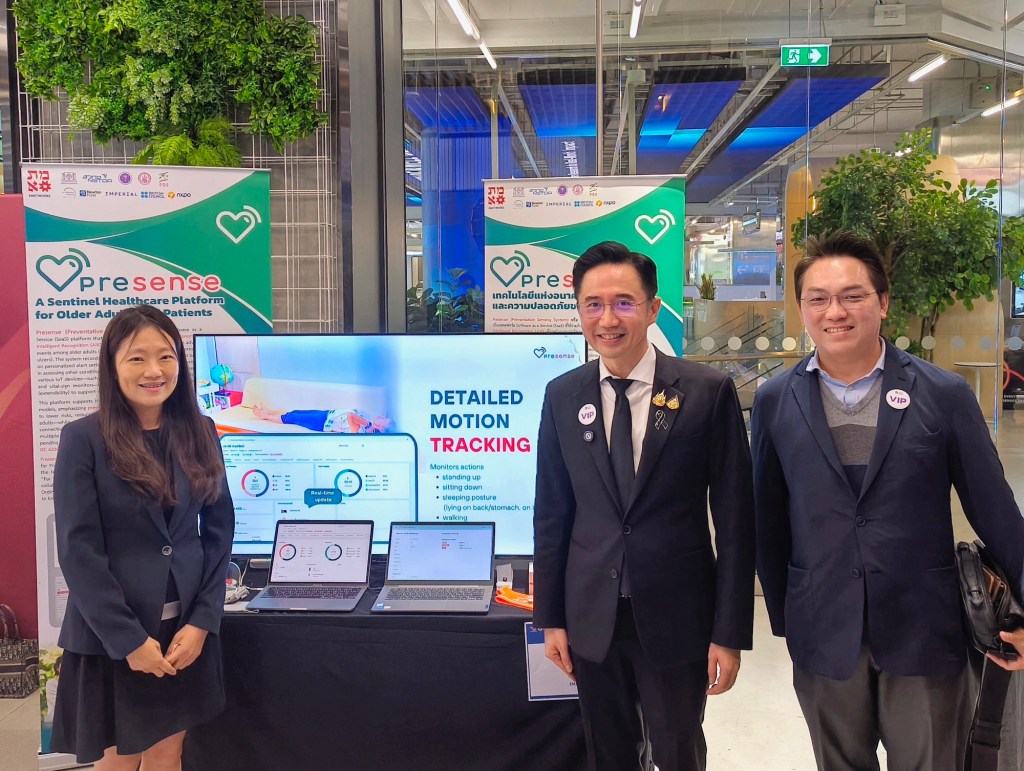
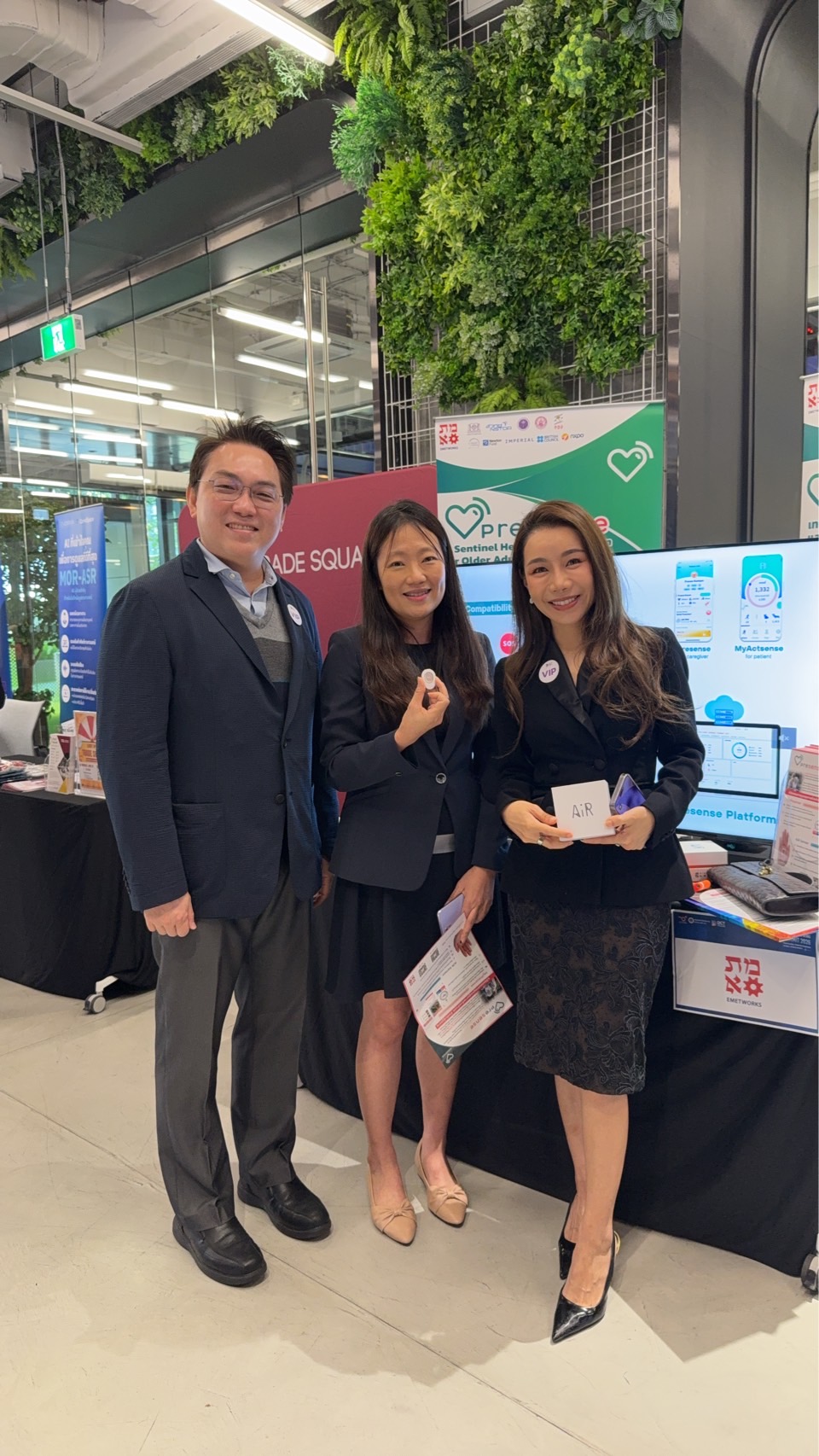
    หนึ่งในเวนเจอร์ด้านสุขภาพที่ผมและทีม Emetworks ภาคภูมิใจคือ Presense แพลตฟอร์ม AI สนับสนุนการตัดสินใจทางคลินิกสำหรับการดูแลผู้สูงวัยและเวชศาสตร์ชะลอวัย ผู้ร่วมก่อตั้งของเราคือ ดร.สุรภา เทียมจรัส (Dr. Surapa Thiemjarus) และ ดร.เบนนี โล (Dr. Benny Lo) ทั้งคู่มาจากสาย Body Sensor Networks ของ Imperial College London — ห้องปฏิบัติการระดับตำนานภายใต้ศาสตราจารย์ Guang-Zhong Yang แห่ง Hamlyn Centre ซึ่งเป็นหนึ่งในกลุ่มวิจัยผู้บุกเบิกเทคโนโลยีเซนเซอร์สุขภาพแบบสวมใส่และฝังในร่างกายของโลกมาตั้งแต่กลางทศวรรษ 2000

    ทั้งสองท่านได้รับการสนับสนุนจากทุนวิจัยระดับโลกอย่าง Newton Fund และ มูลนิธิ Bill & Melinda Gates เพื่อสร้างอุปกรณ์ที่ “สร้างผลกระทบต่อโลก” จริง ๆ ร่วมกับพันธมิตรผู้พัฒนาเซนเซอร์สุขภาพในจีนอย่าง AI-Vanse วันนี้เทคโนโลยีที่เริ่มต้นจากห้องวิจัยในลอนดอน ได้เดินทางมามีรากในประเทศไทย ขยายไปสู่ญี่ปุ่น สหรัฐอเมริกา ยุโรป และอินโดนีเซีย พร้อมสิทธิบัตรที่จดทะเบียนในหลายประเทศทั่วโลก

    บทเรียนที่ผมได้คือ เทคโนโลยีที่ดีอย่างเดียวไม่พอ สิ่งที่ทำให้ Presense ไปต่อได้คือการจับมือกับพันธมิตรทางคลินิกที่แข็งแกร่ง ทั้งศิริราช (ด้านผู้สูงวัยและชะลอวัย) และจุฬาลงกรณ์มหาวิทยาลัย (ด้านภาวะสมองเสื่อม) เพราะนวัตกรรมสุขภาพจะมีคุณค่าก็ต่อเมื่อมัน “ฝัง” อยู่ในเส้นทางการดูแลคนไข้จริง ไม่ใช่ลอยอยู่ในงานนำเสนอ


    4. ก้าวข้าม “Generalizability Crisis”: ปัญหาไม่ได้อยู่ที่ AI แต่อยู่ที่ข้อมูล

    เราต้องยอมรับความจริงข้อหนึ่ง — AI ทางการแพทย์จำนวนมากล้มเหลวเมื่อออกจากห้องแล็บไปสู่โลกจริง ปรากฏการณ์นี้เรียกว่า “Generalizability Crisis” และผมขอเน้นย้ำว่า มันมักไม่ใช่ความล้มเหลวของตัวโมเดล แต่เป็น “ความล้มเหลวของข้อมูลและการออกแบบการวิจัย” (Data Failure)

    ทางออกคือ Multimodal AI ที่ไม่ได้ดูแค่ภาพถ่ายทางการแพทย์ แต่วิเคราะห์ควบคู่กับ “บริบท” ของคนไข้เสมอ ยกตัวอย่างง่าย ๆ:

    • อายุสำคัญมาก — ก้อนในปอดของคนอายุ 30 ปี มักไม่ใช่เนื้อร้าย แต่ในคนอายุ 70 ปี ความเสี่ยงมะเร็งสูงขึ้นอย่างมีนัยสำคัญ
    • อาการร่วมเปลี่ยนคำวินิจฉัย — ฝ้าในปอดร่วมกับ “ไข้” บ่งชี้ปอดอักเสบ แต่ถ้าอุณหภูมิปกติ อาจหมายถึงภาวะน้ำท่วมปอด

    ข่าวดีคือเมื่อเรามีข้อมูลที่มีบริบทครบถ้วน (จากเสาหลักที่ 2 และ 3) AI ก็ทำงานได้ดีจริง ตัวอย่างที่จับต้องได้ที่สุดคือ AI คัดกรองวัณโรค (TB) จากภาพเอกซเรย์ทรวงอก ซึ่งงานวิเคราะห์เชิงระบบ (Meta-analysis) ระดับโลกพบว่าซอฟต์แวร์ชั้นนำมีค่าความไว (Sensitivity) ราว 90% จนปัจจุบัน องค์การอนามัยโลกแนะนำให้ใช้ AI (CAD) ในการคัดกรองวัณโรค และได้รับการประเมินมาตรฐานภายใต้ Stop TB Partnership รวมถึงได้รับการรับรองจาก US FDA ในหลายผลิตภัณฑ์ — นี่คือเครื่องพิสูจน์ว่าเมื่อแก้ “Data Failure” ได้ AI ก็สร้างผลกระทบจริงได้


    5. มุมมอง Venture Catalyst: ROI ที่วัดผลได้ และความได้เปรียบเชิงกลยุทธ์ของไทย

    สำหรับผู้บริหารและนักลงทุน คำถามสุดท้ายคือ “แล้วมันคุ้มไหม?” คำตอบของผมคือ เทคโนโลยีเหล่านี้สร้าง Market Defensibility และผลตอบแทนที่จับต้องได้ทั้งในระดับองค์กรและระดับชาติ

    ตัวอย่างที่ชัดที่สุดคือการใช้ AI และ RAG-enhanced LLMs อ่านบันทึกทางการแพทย์ดิบเพื่อแปลงเป็นรหัส ICD-10 ที่แม่นยำและพร้อมเบิกจ่าย (Reimbursement-ready) ซึ่งช่วยลดการถูกปฏิเสธการเบิกจ่ายจากข้อมูลที่ผิดพลาด และเพิ่มรายได้ที่ “รั่วไหล” กลับคืนสู่ระบบอย่างมีนัยสำคัญ — สำหรับโรงพยาบาลที่มีอัตรากำไรบางเฉียบ นี่คือเส้นเลือดใหญ่

    แต่ภาพที่ใหญ่กว่านั้นคือ ความได้เปรียบเชิงภูมิรัฐศาสตร์ ปัญหา “Data Failure” และการขาดแคลนบุคลากรไม่ใช่ปัญหาเฉพาะของไทย แต่คือปัญหาที่ทั้งโลกกำลังเจอ การที่เราแก้โจทย์นี้ได้ในบริบทของประเทศที่ทรัพยากรจำกัด หมายความว่าเราได้สร้างโซลูชันที่ตลาดโลกกำลังตามหา ไทยจึงไม่ได้เป็นแค่ “ผู้ซื้อเทคโนโลยี” แต่มีศักยภาพเป็น “ห้องทดลองของโลก” (Testbed) ที่ส่งออกนวัตกรรมและดึงดูดเงินลงทุนระดับโลกกลับเข้าประเทศ


    จาก “Healthcare at the Hospital” สู่ “Healthcare Everywhere”

    เรากำลังเปลี่ยนผ่านจากยุคที่สุขภาพต้องเกิดขึ้น “ในโรงพยาบาล” ไปสู่ยุคที่สุขภาพอยู่กับเรา “ทุกที่ทุกเวลา”

    และนี่คือจุดที่ผมมักเตือนทีมตัวเองเสมอว่า — “ก้าวสุดท้าย” (Last Mile) ของ Value-based Care ไม่ใช่เทคโนโลยี แต่คือ “การมีส่วนร่วมของมนุษย์” (Engagement) เซนเซอร์ที่แม่นยำที่สุด หรือ AI ที่ฉลาดที่สุด ก็ไร้ความหมายถ้าคนไข้ไม่ใช้ ไม่เข้าใจ หรือเข้าไม่ถึง

    การมีส่วนร่วมที่แท้จริงเกิดขึ้นใน “บทสนทนา” บนช่องทางที่ผู้คนใช้ชีวิตอยู่จริง อย่างเช่น LINE นี่คือเหตุผลที่อีกหนึ่งเวนเจอร์ของผม EX10.tech เลือกโฟกัสที่ Conversational Engagement — เพราะการดูแลสุขภาพในอนาคตจะไม่ใช่การ “เรียกคนไข้มาหาระบบ” แต่คือการพา “ระบบไปหาคนไข้” ผ่านบทสนทนาที่เป็นธรรมชาติ จนการดูแลตัวเองกลายเป็นเรื่องที่ไร้แรงเสียดทาน

    เมื่อเราต่อจิ๊กซอว์ทั้งหมดเข้าด้วยกัน — AI กู้เวลาให้หมอ, ข้อมูลไหลลื่นอย่างปลอดภัย, คนไข้เป็นเจ้าของข้อมูล, AI เข้าใจบริบท, และการมีส่วนร่วมผ่านบทสนทนา — เราจะได้ระบบสุขภาพที่ไม่เพียงรักษาคนไข้ แต่รักษาเศรษฐกิจของชาติไปพร้อมกัน


    คำถามที่ผมอยากชวนคุณคิดต่อ

    ธีมของ AI HealthCare & Well-Being Summit 2026 บอกเราชัดเจนว่า เส้นทางจาก “งานวิจัยระดับโลก” สู่ “ผลกระทบจริง” ไม่ได้สั้นและไม่ได้ง่าย แต่ประเทศไทยมีของ มีคน มีพันธมิตรระดับโลก และมีโจทย์ที่คมพอจะสร้างคำตอบที่ทั้งโลกต้องการ

    คำถามสำคัญสำหรับผู้บริหารและนักลงทุนจึงไม่ใช่ “เราจะตามทันโลกได้ไหม” แต่คือ “เราพร้อมจะเปลี่ยนวิกฤตความเหลื่อมล้ำทางข้อมูล ให้กลายเป็นโอกาสในการปฏิวัติเศรษฐกิจสุขภาพของชาติแล้วหรือยัง?”

    ถ้าบทความนี้จุดประกายบางอย่างในใจคุณ — ไม่ว่าจะเป็นในฐานะแพทย์ ผู้บริหารโรงพยาบาล นักลงทุน หรือผู้กำหนดนโยบาย — ผมยินดีอย่างยิ่งที่จะได้สนทนาแลกเปลี่ยนมุมมอง เพราะผมเชื่อว่าบทสนทนาที่ดีเพียงครั้งเดียว มักเป็นจุดเริ่มต้นของเวนเจอร์ที่เปลี่ยนอุตสาหกรรมได้จริง


    บทความโดย กัน อรุณเทพ แสงวารีทิพย์ (Founder/ CEO, Emetworks) — นักสร้างเวนเจอร์ นักลงทุน และที่ปรึกษาด้านดิจิทัลทรานส์ฟอร์เมชันในเอเชียตะวันออกเฉียงใต้


    แหล่งอ้างอิง (References)

    1. World Health Organization (WHO) Thailand — Prevention and Control of Noncommunicable Diseases in Thailand: The Case for Investment (ตัวเลขความสูญเสีย 1.6 ล้านล้านบาท / 9.7% ของ GDP, 400,000 ราย/ปี, 74% ของการเสียชีวิต) — who.int/thailand/activities/NCDs_Investment_Case_Report
    2. WHO South-East Asia / กรมอนามัย กระทรวงสาธารณสุข — รายงานการเข้าสู่สังคมสูงวัยระดับสุดยอดของไทยในช่วงต้นทศวรรษ 2030 (สัดส่วนผู้สูงอายุ ~28–30%)
    3. Meta-analysis & Stop TB Partnership — การประเมินความแม่นยำของซอฟต์แวร์ AI คัดกรองวัณโรคจากภาพเอกซเรย์ (Sensitivity ~90%); WHO Consolidated Guidelines แนะนำการใช้ Computer-Aided Detection (CAD) ในการคัดกรองวัณโรค; US FDA clearances (เช่น Qure.ai qXR / qSpot-TB)
    4. Imperial College London – Hamlyn Centre — งานวิจัย Body Sensor Networks โดย Benny Lo, Surapa Thiemjarus และ Guang-Zhong Yang (รากฐานเทคโนโลยีเซนเซอร์สุขภาพระดับโลก)
    5. คณะ ICT มหาวิทยาลัยมหิดล — AI HealthCare & Well-Being Summit 2026 (25 มิถุนายน 2026, True Digital Park) — ict.mahidol.ac.th/aihealthcare
    6. Siriraj HealthTAG — โครงการเวชระเบียนส่วนบุคคลบน Blockchain/NFC โดยคณะแพทยศาสตร์ศิริราชพยาบาล
  • เจาะลึก “วาระลับ” จาก Davos: 5 โอกาสทองของประเทศไทย ส่งถึงรัฐบาลไทย

    5 โอกาสทองและจุดเปลี่ยนที่ไทยต้องคว้า ก่อนโลกจะหมุนไปไกลกว่าเดิม

    ท่ามกลางบรรยากาศการประชุม World Economic Forum (Davos) 2026 ที่เพิ่งผ่านพ้นไป สิ่งที่เกิดขึ้นไม่ใช่เพียงแค่การพบปะของเหล่ามหาเศรษฐีหรือผู้นำโลก แต่คือการส่งสัญญาณถึง “ระเบียบโลกใหม่” ที่กำลังแตกแยก (Fragmentation) ระหว่างขั้วอำนาจ US/Europe และ China/BRICS

    สำหรับประเทศไทย ข้อมูลจากวงในและเซสชันทางเทคนิคที่เรียกว่า “Invisible Agenda” กำลังกลายเป็นโจทย์ด่วนที่รัฐบาลและภาคเอกชนต้องเร่งจัดการ นี่ไม่ใช่แค่การเตรียมตัวเพื่อรับมือกับอนาคต แต่คือการสร้าง “Host Narrative” หรือแกนกลางของยุทธศาสตร์ชาติ เพื่อแสดงศักยภาพในฐานะเจ้าภาพการประชุม IMF-World Bank Annual Meetings ณ กรุงเทพฯ ในเดือนตุลาคม 2026 หากไทย “อ่านเกมขาด” เราจะเปลี่ยนจากประเทศที่อยู่ตรงกลางให้กลายเป็น “สะพานที่แข็งแกร่งที่สุด” ในภูมิภาคทันที

    ——————————————————————————–

    1. พลังของผู้หญิงและ “Asian Menopause Market”: เครื่องยนต์ GDP 1 ล้านล้านดอลลาร์

    ใน Davos ปีนี้ เรื่องสุขภาพผู้หญิงถูกยกระดับจาก “ประเด็นทางสังคม” สู่ “สินทรัพย์ที่มูลค่าต่ำกว่าความเป็นจริง” (Undervalued Asset Class) ที่ใหญ่ที่สุดในโลก โดยมีการระบุชัดเจนว่าการแก้ปัญหาช่องว่างด้านสุขภาพผู้หญิง (Women’s Health Gap) คือโอกาสทางเศรษฐกิจที่มีมูลค่าสูงถึง 1 ล้านล้านดอลลาร์

    จุดเปลี่ยนยุทธศาสตร์ไทย: ไทยต้องเลิกมอง Medical Hub เป็นเพียงการศัลยกรรมหรือตรวจสุขภาพทั่วไป แต่ต้องรุกเข้าสู่ “Asian Menopause Market” และ “Female Longevity Biotech” อย่างเต็มตัว เพื่อดึงดูดกลุ่ม Silver Economy ผู้หญิงทั่วโลกที่มีกำลังซื้อสูง

    • Action Plan: รัฐบาลไทยต้องลงนามใน “Zero Health Gaps Pledge” ทันทีเพื่อเข้าถึงกองทุน Climate & Health Fund มูลค่า 300 ล้านดอลลาร์ และควรประกาศสร้าง “Women’s Longevity Sandbox” โดยให้สิทธิประโยชน์ BOI แก่บริษัทเทคโนโลยีชีวภาพที่เน้นการชะลอวัยและสุขภาพฮอร์โมนของผู้หญิง

    “ทุกๆ 1 ดอลลาร์ที่ลงทุนในสุขภาพผู้หญิง จะสร้างการเติบโตทางเศรษฐกิจกลับคืนมาถึง 3 ดอลลาร์” — รายงานร่วม McKinsey x WEF

    ——————————————————————————–

    2. “กำแพงพลังงาน” และความอยู่รอดของ AI: การแข่งขันระหว่าง “สระบุรี” และ “บินตูลู”

    ความจริงที่น่าตกใจคือ คอขวดของ AI ไม่ใช่เรื่องชิปอีกต่อไป แต่คือ “Green Electrons” (ไฟฟ้าสีเขียว) ยักษ์ใหญ่เทคโนโลยีอย่าง Microsoft, AWS และ Google ยืนยันชัดเจนว่าจะไม่ลงทุนในประเทศที่ขายเพียงแค่ Carbon Credits แต่จะเลือกประเทศที่ยอมให้ซื้อพลังงานสะอาดได้โดยตรงผ่าน Direct PPA

    จุดเปลี่ยนยุทธศาสตร์ไทย: แม้ประเทศไทยจะมี “Saraburi Sandbox” ที่ได้รับความชื่นชมบนเวทีโลกว่าเป็นโมเดลอุตสาหกรรมคาร์บอนต่ำที่ใช้งานได้จริง แต่ในสายตานักลงทุน เรากำลังถูกเปรียบเทียบอย่างหนักกับ Bintulu Cluster ของมาเลเซีย หากเราไม่เร่งเปิดเสรี “Green Wheeling” (การยอมให้เอกชนใช้สายส่งของรัฐเพื่อส่งไฟฟ้าสีเขียว) เม็ดเงินลงทุนกว่า 5 แสนล้านบาทจากยักษ์ใหญ่คลาวด์อาจไหลไปหาเพื่อนบ้านทันที

    ——————————————————————————–

    3. จาก KYC สู่ “KYA”: ความปลอดภัยระดับควอนตัมและทางรอดของระบบการเงิน

    โลกการเงินได้ข้ามผ่าน “App Era” ไปสู่ยุคของ “Agentic AI” หรือ AI ที่สามารถตัดสินใจและทำธุรกรรมได้เองโดยอิสระ ทำให้กฎเกณฑ์เดิมอย่าง KYC (Know Your Customer) ล้าสมัย และต้องเปลี่ยนเป็น “KYA” (Know Your Agent) เพื่อระบุตัวตนของซอฟต์แวร์ที่ทำธุรกรรม

    นอกจากนี้ ยังมีภัยคุกคามเงียบที่เรียกว่า “Q-Day” หรืออาชญากรรมแบบ “Harvest Now, Decrypt Later” ที่แฮกเกอร์ขโมยข้อมูลที่เข้ารหัสไว้ในปัจจุบันเพื่อรอถอดรหัสด้วยคอมพิวเตอร์ควอนตัมในอนาคต

    ยุทธศาสตร์เชิงรุกสำหรับธนาคารแห่งประเทศไทย (BoT):

    • Mandate: ภายใน Q4 2026 ธนาคารทุกแห่งต้องทำ “Cryptographic Inventory” หรือบัญชีรหัสลับเพื่อเตรียมพร้อมสู่การเข้ารหัสยุคใหม่ (Post-Quantum Cryptography)
    • AI Stress Tests: ไทยต้องเป็นผู้นำใน ASEAN ในการออกเกณฑ์การทดสอบภาวะวิกฤตของ AI เพื่อสร้างความมั่นใจว่าระบบการเงินไทยจะไม่ล่มสลายจากความผิดพลาดของอัลกอริทึม
    • Quantum-Safe Baht: นี่คือหัวใจสำคัญที่ไทยต้องประกาศบนเวที IMF ว่า “เงินบาท” คือโครงสร้างพื้นฐานที่ปลอดภัยที่สุดในโลก

    “การธนาคารในยุค AI ไม่ใช่เรื่องของแอปพลิเคชันอีกต่อไป แต่มันคือโครงสร้างพื้นฐานแห่งความไวเชื่อใจ (Infrastructure of Trust)” — จากเซสชัน Banking Accelerated, Davos 2026

    ——————————————————————————–

    4. AI ในฐานะ “ขีดความสามารถ”: เมื่อ NCDs กลายเป็น “ความเสี่ยงต่อหนี้สาธารณะ”

    โลกกำลังเผชิญวิกฤตขาดแคลนบุคลากรทางการแพทย์ถึง 11 ล้านคน Davos 2026 จึงสรุปว่าทางออกเดียวคือการใช้ “Ambient AI” (AI ที่คอยฟังและจดบันทึกอัตโนมัติ) เพื่อลดภาระงานธุรการของแพทย์และพยาบาลลง 30%

    จุดเปลี่ยนยุทธศาสตร์ไทย: กระทรวงสาธารณสุขต้องหยุดมองว่าโรคไม่ติดต่อ (NCDs) เป็นเพียงปัญหาสุขภาพ แต่ต้องมองว่าเป็น “Sovereign Debt Threat” (ภัยคุกคามต่อหนี้สาธารณะ) จากภาระงบประมาณระยะยาว

    • Pivoting: เปลี่ยนภาพลักษณ์ Medical Tourism สู่ “Wellness & Longevity Residency” เน้นการพำนักระยะยาวเพื่อ “ยืดอายุสุขภาพ” (Health-span) ซึ่งเป็นการบริหารความเสี่ยงทางการคลังที่ชาญฉลาดที่สุด

    ——————————————————————————–

    5. “ความเป็นกลาง” คือสินทรัพย์ทางเศรษฐกิจ: โมเดล “Compute-for-Data”

    ในสภาวะที่โลกแบ่งขั้วอย่างชัดเจน ความเป็นกลางของไทยต้องถูกเปลี่ยนให้เป็น “Neutral Bridge” ที่สร้างผลกำไรได้จริง ผ่านนโยบายที่เรียกว่า “Compute-for-Data”

    ยุทธศาสตร์สะพานเชื่อมโลก: ไทยควรเสนอข้อแลกเปลี่ยนกับยักษ์ใหญ่เทคโนโลยี: “เราให้พลังงานสะอาดและพื้นที่จัดตั้งศูนย์ข้อมูล (Compute) แต่คุณต้องสร้าง Sovereign Cloud ที่ข้อมูลถูกจัดเก็บและอยู่ภายใต้กฎหมายของไทยเท่านั้น”

    การสร้าง Interoperability หรือการทำให้ระบบของทั้งตะวันตกและจีนทำงานร่วมกันได้บนพื้นที่ปลอดภัยในไทย จะเป็นจุดขายที่ทรงพลังที่สุดในการประชุม IMF-World Bank 2026 เพื่อพิสูจน์ว่าไทยคือพื้นที่ที่ทุนและข้อมูลจากทุกขั้วอำนาจสามารถ “วางใจ” ได้มากที่สุด

    ——————————————————————————–

    บทสรุป: จาก Disruption สู่ “Operational Resilience”

    บทเรียนสำคัญที่สุดจาก Davos 2026 คือโลกได้เปลี่ยนผ่านจากยุคที่เน้น “ความรวดเร็วในการทำลายล้าง” (Disruption) ไปสู่ยุคที่เน้น “ความยืดหยุ่นในการฟื้นตัว” (Operational Resilience)

    ความสำเร็จของไทยในการเป็นเจ้าภาพการประชุม IMF-World Bank 2026 จะไม่ได้ถูกวัดที่ความสวยงามของสถานที่ แต่จะวัดที่ความสามารถในการนำเสนอ “โรดแมป” ที่ชัดเจนใน 5 ประเด็นนี้

    ในวันที่โลกไม่ได้แข่งกันที่ความเร็ว แต่แข่งกันที่ความมั่นคงและความยืดหยุ่น… ไทยพร้อมหรือยังที่จะเป็น “สะพานที่แข็งแกร่งที่สุด” ในภูมิภาคนี้?

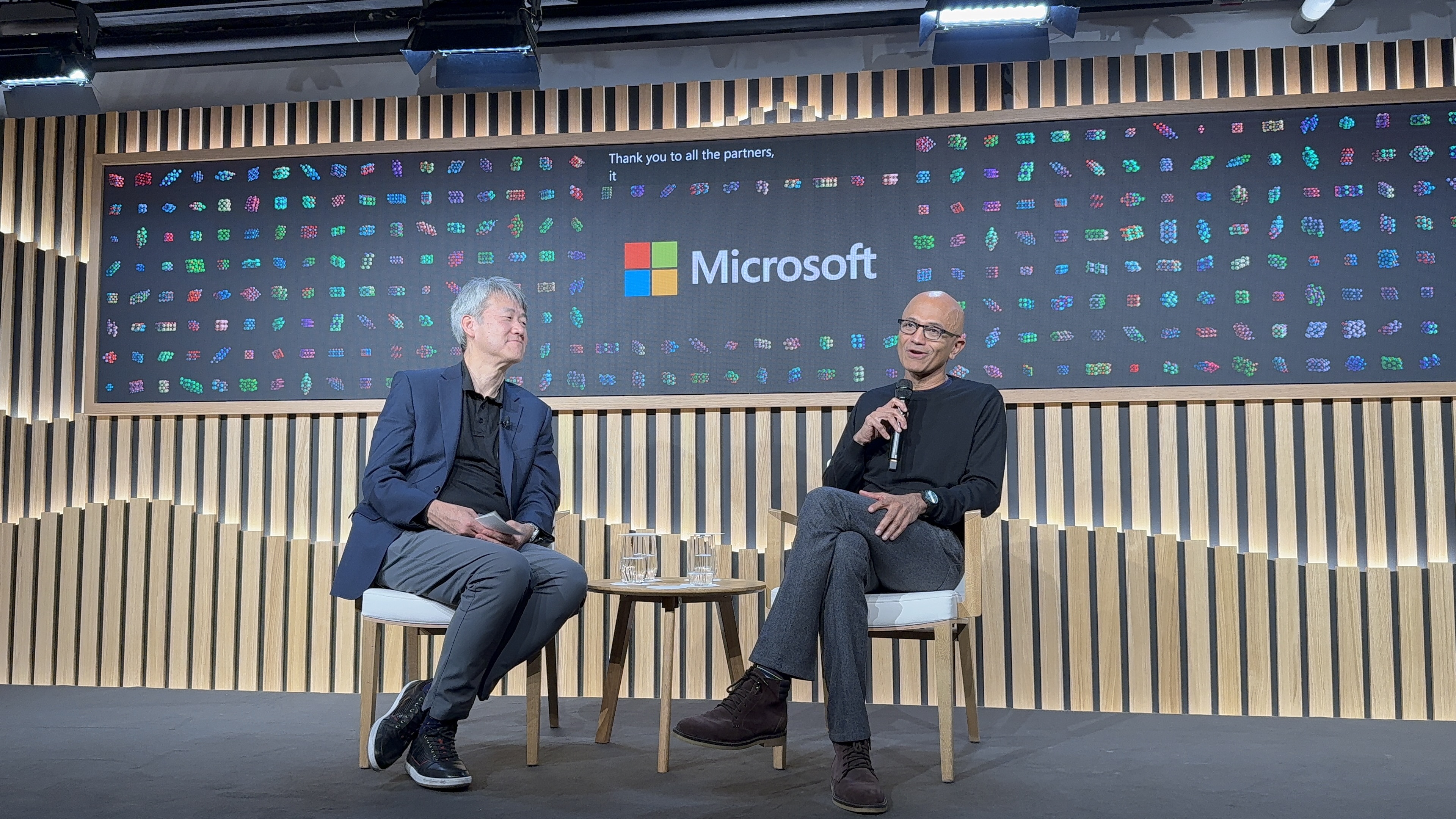
  • อาหารมื้อเช้ากับ ซีอีโอไมโครซอฟต์และปีเตอร์ ลี งานวิจัยทางการแพทย์ กับ เอไอ

    จาก 250 ปี เหลือเพียง 25 ปี: เมื่อ AI กลายเป็นเครื่องเร่งความเร็วแห่งอนาคตที่ Davos 2026

    ท่ามกลางหิมะที่โปรยปรายและความหนาวเหน็บของเทือกเขาแอลป์ ณ เมืองดาโวส ประเทศสวิตเซอร์แลนด์ บรรยากาศในการประชุม World Economic Forum (WEF) ปีนี้เต็มไปด้วยความกังวลจากความผันผวนทางภูมิรัฐศาสตร์และเศรษฐกิจ แต่ภายในเซสชัน “Breakfast with Satya” ความร้อนแรงของบทสนทนากลับสวนทางกับสภาพอากาศ เมื่อเหล่าผู้นำทางความคิดและนักวิทยาศาสตร์ระดับโลกได้มารวมตัวกันเพื่อประกาศจุดเริ่มต้นของ “กระบวนทัศน์ใหม่” (New Paradigm) ในการค้นพบทางวิทยาศาสตร์

    ปัญหาที่เป็น “คอขวด” ของมนุษยชาติมาโดยตลอดคือระยะเวลา ความก้าวหน้าทางวิทยาศาสตร์แบบเดิมเปรียบเสมือนการเดินเตาะแตะในมหาสมุทรแห่งความเป็นไปได้ที่กว้างใหญ่มหาศาล แต่การมาถึงของ AI และ Quantum Computing กำลังจะเปลี่ยนผ่านเราไปสู่ยุคแห่ง “การบีบอัดเวลา” (Time Compression) ที่จะย่อการทำงานระดับ 250 ปี ให้เหลือเพียง 25 ปี

    ——————————————————————————–

    1. การมองโลกในแง่ดีคือ “หน้าที่” (Optimism as a Duty)

    Peter Lee ประธาน Microsoft Research เริ่มต้นการสนทนาด้วยการหยิบยกปรัชญาของ Carl Popper นักปรัชญาวิทยาศาสตร์ผู้ทรงอิทธิพลขึ้นมาเตือนสติผู้คนในยุคที่เต็มไปด้วยความไม่แน่นอน Popper เขียนไว้เมื่อ 90 ปีก่อนท่ามกลางวิกฤตที่นำไปสู่สงครามโลกครั้งที่ 2 ว่าการมองโลกในแง่ดีไม่ใช่เพียงแค่ “ความรู้สึก” แต่เป็น “หน้าที่”

    “การมองโลกในแง่ดีคือหน้าที่ (Optimism is a duty) อนาคตนั้นเปิดกว้าง และไม่ได้ถูกกำหนดไว้ล่วงหน้า พวกเราทุกคนคือผู้ที่มีส่วนร่วมในการกำหนดมัน ผ่านสิ่งที่เราเลือกจะทำในวันนี้” — Peter Lee อ้างถึง Carl Popper

    Deep Dive Analysis: ในโลกของนวัตกรรม การเลือกที่จะมองโลกในแง่ดี (Strategic Optimism) คือกลไกสำคัญที่ผลักดันให้เรากล้าเผชิญหน้ากับปัญหาที่ดูเหมือนไม่มีทางแก้ ความหวังในบริบทนี้ไม่ใช่การนั่งรอโชคชะตา แต่คือการใช้ศักยภาพของ AI เป็นเครื่องมือในการกำหนดอนาคตที่สว่างไสวแทนที่จะปล่อยให้โลกจมอยู่กับความหยุดชะงัก

    ——————————————————————————–

    2. “The Divine Function” – การไขรหัสลับของอะตอมด้วย AI

    Chris Bishop นักวิจัยระดับตำนาน (Technical Fellow) จาก Microsoft Research นำเสนอความท้าทายที่ยิ่งใหญ่ที่สุดของมนุษยชาติ: การออกแบบสสาร โลกของเราถูกอธิบายด้วย “สมการของ Schrödinger” มานานนับศตวรรษ แต่มันเป็นสมการที่แทบจะแก้ไม่ได้ในทางปฏิบัติเพราะความซับซ้อนในการคำนวณที่เพิ่มขึ้นแบบ “Exponential”

    แม้แต่โมเลกุลที่ดูเรียบง่ายอย่าง “คาเฟอีน” ซึ่งมีอิเล็กตรอนเพียงร้อยกว่าตัว ก็ยังซับซ้อนเกินกว่าที่ซูเปอร์คอมพิวเตอร์ที่ทรงพลังที่สุดในปัจจุบันจะคำนวณคุณสมบัติโดยตรงจากกฎพื้นฐานทางฟิสิกส์ได้ สิ่งนี้เองที่ทำให้การค้นพบยาและวัสดุใหม่ๆ ยังคงต้องพึ่งพา “การลองผิดลองถูก” ในห้องแล็บที่มีราคาสูงและใช้เวลานาน

    จุดเปลี่ยนสำคัญคือการที่ Microsoft นำ Deep Learning มาใช้สร้าง “Scala” สถาปัตยกรรม AI รุ่นใหม่ที่พุ่งเป้าไปที่การไขรหัส “Exchange-correlation function” หรือที่นักวิทยาศาสตร์เรียกว่า “The Divine Function”

    • ความแม่นยำระดับเคมี (Chemical Accuracy): Scala สามารถทำนายพฤติกรรมของโมเลกุลด้วยความแม่นยำระดับที่ใช้งานได้จริง (1 kcal/mol) ซึ่งเป็นจุดที่ Simulation จะเข้ามาแทนที่การทดลองจริง
    • จาก “การอธิบาย” สู่ “การออกแบบ”: ในอดีตคอมพิวเตอร์ทำได้เพียงช่วยอธิบายผลการทดลองที่เกิดขึ้นแล้ว แต่ Scala กำลังเปลี่ยนเราให้เป็นผู้กำหนดคุณสมบัติของสสารที่ต้องการก่อนที่จะสร้างมันขึ้นมาจริงๆ

    Deep Dive Analysis: นี่คือการเปลี่ยนผ่านจาก “Discovery by Accident” (การค้นพบโดยบังเอิญ) ไปสู่ “Discovery by Design” (การค้นพบโดยการออกแบบ) เมื่อ AI สามารถจำลองธรรมชาติได้แม่นยำ มนุษย์จะก้าวข้ามขีดจำกัดทางกายภาพไปสู่การเป็นผู้สร้างสรรค์วัสดุในระดับอะตอมอย่างที่ไม่เคยมีมาก่อน

    ——————————————————————————–

    3. การทะลวงพื้นที่เคมี (Chemical Space) 10^{60}

    ตัวเลขที่น่าตกใจที่ Chris Bishop แบ่งปันคือ ขนาดของ “พื้นที่ทางเคมี” ที่เป็นไปได้สำหรับยาและวัสดุใหม่ๆ นั้นมีจำนวนมหาศาลถึง 10^{60} ซึ่งมากกว่าจำนวนอะตอมในระบบสุริยะทั้งหมด การค้นหาด้วยมือเปล่านั้นเป็นไปไม่ได้ แต่ AI กำลังทำหน้าที่เป็น “เข็มทิศ” ในมหาสมุทรนี้

    • บีบอัดเวลา 10 เท่า: การทำงานร่วมกันระหว่าง AI และโครงสร้างพื้นฐานใหม่จะช่วยให้เราทำภารกิจที่เคยใช้เวลา 2.5 ศตวรรษ ให้สำเร็จได้ภายในระยะเวลาเพียงหนึ่งชั่วอายุคน
    • Targeting Undruggable Proteins: ความร่วมมือกับสตาร์ทอัพอย่าง Expedition Medicines แสดงให้เห็นว่า AI สามารถทำนายปฏิกิริยาเคมีที่ซับซ้อนเพื่อหาตัวยาสำหรับโปรตีนที่เดิมเคยถูกมองว่า “รักษาไม่ได้”

    ——————————————————————————–

    4. Virtual Clinical Trials: ความหวังใหม่ของ Health Equity

    ในขณะที่วิทยาศาสตร์พื้นฐานก้าวกระโดด Hoifung Poon ได้แสดงให้เห็นว่าการประยุกต์ใช้ในโลกการแพทย์ก็ไม่ได้ล้าหลัง เขาเสนอภาพการใช้ AI เพื่อขจัดปัญหา “ความล่าช้าและราคาแพง” ของการทดลองทางคลินิก (Clinical Trials)

    โดยเฉพาะการเปิดตัว “Gigapath” โมเดลพื้นฐานทางด้านพยาธิวิทยาดิจิทัล (Digital Pathology) ที่มีการดาวน์โหลดไปแล้วกว่า 2 ล้านครั้งทั่วโลก แสดงให้เห็นถึงพลังของการเข้าถึงข้อมูลที่เปิดกว้าง

    หัวข้อเปรียบเทียบการทดลองทางคลินิกแบบเดิมการทดลองเสมือนจริงด้วย AI (Virtual Trials)
    ระยะเวลา5-10 ปี (Phase 3 มหาโหด)ลดลงเหลือระดับนาทีหรือชั่วโมง
    ต้นทุนต่อรายหลักหมื่นดอลลาร์หลัก “เซนต์” (Cents)
    ความครอบคลุมกระจุกตัวในโรงพยาบาลใหญ่กระจายสู่ “Community Hospitals” ในชนบท
    ความแม่นยำจำกัดด้วยกลุ่มตัวอย่างขนาดเล็กอ้างอิงจากข้อมูลผู้ป่วยจริงนับล้าน (Real-world Data)

    Deep Dive Analysis: ความสำคัญของเครื่องมืออย่าง “Trioscope” หรือ “Gigatime” ไม่ได้อยู่ที่ความเร็วเพียงอย่างเดียว แต่อยู่ที่การสร้าง “Health Equity” เดิมทีผู้ป่วยในพื้นที่ห่างไกลมักถูกกันออกจากการทดลองยาใหม่ๆ เพราะความซับซ้อนของข้อมูล แต่ AI สามารถเปลี่ยนภาพพยาธิวิทยาที่ “ไร้โครงสร้าง” ให้เป็นข้อมูลที่แม่นยำ ช่วยให้ผู้ป่วยทุกคนไม่ว่าจะอยู่ที่ไหน มีโอกาสเข้าถึงการรักษาที่เป็นนวัตกรรมได้เท่าเทียมกัน

    ——————————————————————————–

    5. “GitHub สำหรับวิทยาศาสตร์” และพลวัตของแพลตฟอร์ม

    Satya Nadella สรุปภาพรวมด้วยวิสัยทัศน์ที่แหลมคมเกี่ยวกับ “Platform Philosophy” เขาต้องการให้เครื่องมืออย่าง Microsoft Discovery กลายเป็น “GitHub สำหรับวิทยาศาสตร์” ที่นักวิทยาศาสตร์ทั่วโลกสามารถเข้ามาแบ่งปันสูตรการสร้างโมเดล จำลองการทดลอง และต่อยอดความรู้กันได้อย่างไร้รอยต่อ

    เขายังได้ย้ำเตือนถึงนิยามที่แท้จริงของ “แพลตฟอร์ม” ตามแบบฉบับของ Bill Gates ว่า:

    “แพลตฟอร์มจะเป็นแพลตฟอร์มที่แท้จริงได้ ก็ต่อเมื่อมูลค่าที่ถูกสร้างขึ้น ‘บน’ แพลตฟอร์มนั้น สูงกว่ามูลค่าที่เจ้าของแพลตฟอร์มเก็บเกี่ยวไปเอง”

    นอกจากนี้ จุดที่น่าสนใจที่สุดในเชิงเทคนิคคือ การผสานพลังระหว่าง AI และ Quantum Computing โดย Chris Bishop ได้ขยายความว่า คอมพิวเตอร์ควอนตัมในอนาคตจะไม่ได้ทำหน้าที่คำนวณทุกอย่าง แต่จะถูกใช้เพื่อ “สร้างข้อมูลการฝึกสอนที่มีความแม่นยำสูงพิเศษ” (High-accuracy Training Data) เพื่อนำมาเทรนโมเลกุลใน AI อย่าง Scala อีกที สิ่งนี้จะสร้าง “Digital Twin” ของธรรมชาติที่รันบน GPU ได้อย่างรวดเร็วและขยายผลได้มหาศาล

    ——————————————————————————–

    บทสรุป: เมื่อ “ขีดความสามารถ” ล้ำหน้า “ความเป็นจริง”

    ในช่วงท้าย Satya Nadella ได้ฝากข้อคิดเรื่อง “Capability Overhang” หรือสภาวะที่เทคโนโลยีพัฒนาไปไกลกว่าความสามารถในการปรับตัวของระบบในโลกความเป็นจริง ในขณะที่เทคโนโลยีกำลังก้าวหน้าแบบ Nonlinear (ก้าวกระโดด) แต่ระบบระเบียบ การทำงานในแล็บ และข้อบังคับต่างๆ ของเรายังคงเคลื่อนที่แบบ Linear (เชิงเส้น)

    คำถามสำคัญสำหรับผู้นำและนักนวัตกรรมทั่วโลกจากเวที Davos 2024 คือ: “ในเมื่อเรามี ‘จักรยานสำหรับสมอง’ (Bicycle for the mind) ที่ทรงพลังที่สุดในประวัติศาสตร์อยู่ในมือแล้ว เราจะทำอย่างไรเพื่อลดช่องว่างระหว่างศักยภาพที่ไร้ขีดจำกัดของ AI กับโลกความเป็นจริงที่ยังคงเคลื่อนที่อย่างช้าๆ?”

    หน้าที่ของเราไม่ใช่แค่การสร้างเทคโนโลยี แต่คือการนำเทคโนโลยีนั้นมา “กระจาย” (Diffusion) ให้เกิดผลลัพธ์ในวงกว้าง เพื่อให้ความหวังที่ว่า “250 ปี เหลือ 25 ปี” ไม่ใช่เพียงตัวเลขทางการตลาด แต่คือการเปลี่ยนผ่านชีวิตของผู้คนนับล้านให้ดีขึ้นอย่างแท้จริง

  • Davos2026: Breakfast with Satya Nadella and Peter Lee

    Davos2026: Breakfast with Satya Nadella and Peter Lee

    250 Years of Science in 25: How AI is Cracking the “Language of Nature”

    Introduction: The Open Future

    Ninety years ago, against the backdrop of the 1930s—a decade defined by profound geopolitical turbulence and the gathering shadows of global conflict—the philosopher Karl Popper formulated a radical directive: “Optimism is a duty.” He argued that the future is not a predetermined track we must passively ride, but an open landscape we actively construct through our intentions and actions.

    Today, as we gather in Davos amidst our own era of “polycrisis” and turbulent conditions, Popper’s philosophy remains our most vital compass. The central challenge of our age is that the traditional, linear pace of scientific discovery is too slow to solve the exponential threats we face, from climate change to emerging pathogens. However, we are now standing at the precipice of a historical pivot. By fusing AI with the nascent power of Quantum computing, we are moving from a linear progression to a nonlinear acceleration. We are finally beginning to decode the “language of nature,” positioning ourselves to compress 250 years of scientific advancement into the next 25.

    Takeaway 1: Optimism is a Duty, Not a Luxury

    For the modern strategist, optimism is not a soft sentiment or a passive hope; it is a functional necessity. In the context of “AI for Science,” optimism represents the intent to determine a better future rather than merely observing the turmoil of the present. This mindset is the prerequisite for scientific breakthroughs—it is the belief that the “unsolvable” is merely a problem awaiting a new computational paradigm.

    “Optimism is a duty. The future is open. It is not predetermined. We all contribute to determine it by what we do.” — Karl Popper

    By embracing this duty, leaders and scientists shift their focus from the diffusion of technology to its intense application in the places where it matters most.

    Takeaway 2: Compressing the Timeline (250 Years in 25)

    The overarching mission of Microsoft Research is to fundamentally alter the mathematics of discovery. For centuries, progress was restricted by the limits of human observation and manual experimentation. We are now entering the era of “AI for Science,” where artificial intelligence acts as a superpower that transcends human cognitive bottlenecks.

    We are transitioning from trial-and-error discovery to a predictive era where simulation replaces the lab, compressing 250 years of chemistry into 25.

    This compression allows us to move beyond the incremental, allowing for a leap in progress that could solve for room-temperature superconductors or carbon-capture materials in a fraction of the historical time.

    Takeaway 3: Hunting the “Divine Function” in Chemistry

    Since the 1920s, chemistry has labored under a profound frustration. We have possessed Schrödinger’s equation—a mathematical description of matter with “exquisite precision”—yet we have lacked the power to solve it for anything complex. Even a simple caffeine molecule, with its 100 electrons, remains out of reach for direct calculation because the computational cost grows exponentially with every electron added.

    For sixty years, scientists relied on the “Zoo”—a collection of over 800 handcrafted approximations used to estimate the “Exchange Correlation Functional,” also known as the “Divine Function.” While these approximations were highly cited, they were limited; they could explain the past but not predict the future.

    The Scala model represents the end of the Zoo. Unlike traditional models, Scala utilizes a proprietary dataset more than an order of magnitude larger than all public data combined and employs a unique architecture specifically optimized for scaling (not a standard transformer).

    * From Explanatory to Predictive: Scala has achieved “chemical accuracy” (1 kcal/mol), the threshold at which AI moves from interpreting old experiments to designing entirely new molecules and materials in a virtual environment.
    * The Divine Function Found: By using deep learning to “hunt” the universal functional, we are replacing noisy laboratory experiments with high-fidelity computer simulations.

    Takeaway 4: The Rise of the “Virtual Patient” and AI Trials

    The current state of medical discovery is an exercise in inefficiency: a single Phase 3 clinical trial can cost over $100 million and take years, yet it often excludes the vast majority of the population. Through Trioscope and Universal Medical Abstraction, we are seeing the birth of the “Virtual Patient.” This technology uses frontier AI to ingest unstructured hospital data—messy faxes, PDFs, and noisy records—and structure it into actionable insight in seconds.

    The three core benefits of Virtual Trials include:

    * Speed: Clinical data abstraction that previously took experts hours is now completed in seconds.
    * Cost: The cost of processing patient data has plummeted from hundreds of dollars to just a few cents per record.
    * Health Equity: Traditional trials often ignore the 85% of cancer patients treated in rural or community hospitals; AI-driven virtual trials finally bring these underserved populations into the fold of medical discovery.

    Takeaway 5: Decoding the “Tumor Microenvironment” with GigaPath

    Immunotherapy is the most promising tool in the fight against cancer, yet it requires decoding the “grammar” of the tumor microenvironment—the complex interaction between immune cells and tumor cells. Mapping this usually requires “spatial proteomics,” a process far too expensive for mass application.

    Microsoft’s foundational model, GigaPath—already a standard in the field with 2 million downloads—serves as the base for GigaTime. GigaTime simulates expensive spatial tests using “dirt cheap” microscopic slides already found in routine care.

    * Scale: Researchers used this to create a virtual population of 14,000 cancer patients and 300,000 virtual tissue slices.
    * Discovery: This population-scale study uncovered over 1,000 significant associations between cell states and clinical outcomes, a feat that was previously unthinkable for human researchers.

    Takeaway 6: A Platform is a “Bicycle for the Mind” (and More)

    In the 1980s, the PC was famously described as a “bicycle for the mind.” Today, AI and Quantum platforms have evolved into “infinite minds,” allowing us to orchestrate agentic workflows that handle the drudgery of data so humans can focus on the “intent” of discovery. For a technology to be a true platform, however, its value must be democratized.

    “A platform is only a platform if the value created on the platform is higher than the value captured by the platform.” — Satya Nadella

    As we move up the abstraction chain, from assembly code to high-level languages to natural language, the ultimate abstraction is intent. Scientists will soon use “Discovery” platforms as a toolchain to accelerate everyday research, similar to how GitHub Copilot has transformed the world of coding.

    Conclusion: The Challenge of the “Capability Overhang”

    We find ourselves in a moment reminiscent of the Industrial Revolution—a period of “magic” that changes the trajectory of human history. Yet, we face a “capability overhang”: our technological potential is advancing nonlinearly, but our real-world implementation remains stubbornly linear.

    The tools to compress 250 years of science into 25 are here. We can now simulate the atomic world, model virtual patients, and decode the grammar of disease. The question is no longer one of technical feasibility, but of institutional and regulatory will. We must bridge the gap between “diffusion” and “real-world impact” by applying these tools intensely where they matter most.

    The future is open. It is our duty to step up and determine it.

  • Key Messages from WEF Davos 2025: Insurance Industry and the Trust Economy

    The World Economic Forum (WEF) Annual Meeting 2025 in Davos – themed “Collaboration for the Intelligent Age” – highlighted a convergence of technological innovation, economic shifts, and an urgent call to rebuild trust in global markets .

    For the financial services and insurance sector, the discussions underscored that we are at a pivotal moment.

    Emerging economic trends show steady but lower global growth (around 3.3% in 2025, below historical averages) , meaning insurers must seek new avenues of value. Technology, especially artificial intelligence (AI) and blockchain, is redefining business models across industries, making innovation and agility non-negotiable . At the same time, leaders stressed that trust – the confidence of consumers, businesses, and regulators – is the cornerstone of the future financial ecosystem . In this evolving “economy of trust,” transparency, security, and reliability become critical assets, enabling new forms of digital transaction and partnership.

    Key messages from Davos 2025 for insurers center on embracing innovation while strengthening trust.

    Panels and experts emphasized the rise of AI-driven services, decentralized finance (DeFi), and sustainability-oriented finance as transformative forces. They also warned of rising cyber risks and trust gaps that could undermine these advancements if not addressed . To thrive, insurance companies should prepare for a new wave of economic transformation by adopting AI and data analytics for smarter risk modeling, engaging with fintech and DeFi platforms, and developing insurance solutions linked to sustainability goals. Equally important is cultivating trust – through robust digital identity and security frameworks, ethical AI use, customer-centric product design, and cross-sector collaboration. This report distills the Davos insights most relevant to insurance and outlines strategic, actionable steps. It concludes with a speech outline to inspire insurance leaders to embrace these changes, positioning their organizations for success in the emerging trust-based economy.

    Key Insights from Davos 2025 (Financial Services & Trust Economy)

    • Economic Outlook & Digital Transformation: Global growth is projected to hover around 3.3% in 2025-26, below the 3.7% historical average . With this subdued outlook, the search for new growth frontiers was a major Davos theme. The digital economy is expected to fill much of that gap – it already accounts for ~15.5% of global GDP and an estimated 70% of new economic value over the next decade will be created on digitally-enabled platforms . This signals that insurers must innovate beyond traditional products. In practice, that means leveraging technology and data to tap into digital markets and ecosystems for growth. In short, tech-driven innovation is becoming the engine of financial growth, especially as geoeconomic shifts (debt, demographics, and geopolitics) pressure traditional revenue streams.

    • Technology as a Primary Driver – AI’s Promise and Challenge: Rapid technological change was described as the primary driver of industry disruption in the “Intelligent Age” . Artificial intelligence dominated the agenda as a transformative force for banking and insurance alike. Experts noted AI could raise productivity in financial services by up to 40% through automation by 2030 , and generative AI alone could add $200–$340 billion in value annually . Real-world examples shared at Davos included banks using AI to cut loan approval times to under a minute and machine learning preventing $1 billion in fraud each year – innovations directly applicable to insurance (for instance, in underwriting and fraud detection). However, alongside the optimism, leaders acknowledged an execution gap: 96% of CEOs see AI as a major opportunity, yet only 17% feel their AI investments have exceeded expectations . This highlights that many insurers are still stuck in “pilot purgatory” – experimenting with AI in silos but struggling to scale solutions enterprise-wide . The key Davos takeaway is that insurers must move “beyond experimentation” to full AI integration, modernizing legacy systems and upskilling teams so AI-driven risk models and personalized services can truly transform their business.

    • The Trust Economy – Rebuilding Confidence in Financial Ecosystems: Trust emerged as a central theme across Davos discussions. As one WEF insight put it, “Trust is the cornerstone of finance, and in a digital world, it must evolve” . In today’s environment, confidence underpins everything from customer adoption of fintech apps to the willingness of businesses to share data. Yet trust is under strain – cyber threats and data breaches are on the rise, threatening to erode confidence. Notably, the global cost of cybercrime is projected to increase by 50% from 2024 to reach $13.8 trillion by 2028 . Leaders warned that hard-won customer trust “can be shattered in seconds by a cybersecurity breach” . To address this, Davos experts advocated for robust digital trust frameworks: secure digital identity, data privacy standards, and stronger cyber resilience across the financial system . By adopting such frameworks, financial institutions (including insurers) can reduce friction and foster a new era of trusted transactions . In practice, this means insurers need to double down on cybersecurity, ensure ethical use of customer data, and increase transparency in AI-driven decisions to maintain stakeholder trust. Rebuilding trust also has a macro dimension: WEF’s Global Cooperation report noted improving collaboration on global issues, but fragmentation remains . For insurers, collaborating with governments and tech firms on standards (for example, to combat fraud or share threat intelligence) will be key to strengthening trust in the broader financial ecosystem.

    • Decentralized Finance (DeFi) and New Financial Infrastructure: Davos 2025 also shone a light on the growing impact of decentralized finance and digital assets. Digital assets – from cryptocurrencies to tokenized real-world assets – are creating a borderless financial system operating 24/7 . These innovations, built on blockchain and distributed ledger technology, promise greater efficiency and inclusion, but also pose new challenges. Forum discussions highlighted that while DeFi platforms can “reimagine traditional financial services” in a more open, permissionless way , they exist in a fragmented ecosystem. A key insight was the push for “unified ledger” approaches that bridge public and private blockchains, delivering scale and security without sacrificing transparency . Such infrastructure could unlock mainstream use of DeFi, enabling new insurance models (e.g. peer-to-peer risk pools or smart-contract based policies). For insurers, the message is twofold: engage with the rise of DeFi and digital assets, and help shape it. This might involve insuring crypto assets or exchanges (an emerging market opportunity) and using blockchain in insurance processes (for instant verifiable claims payouts via smart contracts). Crucially, Davos experts cautioned that harnessing these opportunities requires responsible innovation under robust oversight. Combining innovation with sensible regulation was deemed essential to manage risks like volatility and fraud in DeFi . Insurers should therefore prepare by building internal expertise on digital assets, participating in industry sandboxes or consortiums on blockchain standards, and advocating for frameworks that enable innovation while protecting consumers. The “economy of trust” in a decentralized context will depend on insurers helping provide a safety net and credibility to new financial networks.

    • Sustainability and Resilience – Toward Sustainability-Linked Insurance: Climate change and sustainability were front and center at Davos, and their linkage with finance was repeatedly emphasized. WEF leaders noted that climate risks are no longer abstract future threats; they are impacting economies today (2024 was the hottest year on record, with severe wildfires and storms affecting communities and property) . This has direct implications for insurance: more frequent extreme events threaten insurability in some regions and are contributing to the emergence of “insurance deserts.” The consensus in Davos sessions was that businesses, including insurers, must pivot from reaction to prevention when it comes to climate risk . One standout insight was the rise of parametric insurance and other innovative risk transfer mechanisms. Panels highlighted parametric insurance as a new funding model that provides immediate payouts based on predefined triggers (e.g. a hurricane’s wind speed or an earthquake’s magnitude), thus delivering quick relief to affected communities . Such products can drastically improve resilience, as they bypass lengthy claims processes and inject funds when and where they are needed most. For insurers, embracing sustainability-linked insurance means developing products that incentivize risk mitigation (e.g. premium discounts for climate-proofing a property or for businesses that meet sustainability targets) and aligning coverage with sustainable outcomes. Davos discussions also underscored the role of financial institutions in financing the transition to a green economy: banks and insurers have a “key role to play in mobilising funding” for clean energy and adaptation projects . We can expect regulators and stakeholders to increasingly ask insurers to disclose climate risks and support ESG goals. The action item is clear: integrate climate data into underwriting, participate in public-private climate insurance pools, and innovate products that support clients’ sustainability efforts. By doing so, insurers reinforce their relevance and trustworthiness in an era when society is laser-focused on sustainable development.

    • Preparing for the Future – Workforce, Skills and Collaboration: Underpinning all these themes is the recognition that the insurance industry’s operating model and talent base must evolve. The WEF Future of Jobs Report 2025 was frequently cited, noting that 39% of core skills in the workforce will be revamped or obsolete within five years due to automation and digitalization. For insurers, this means that success in AI, data analytics, and digital trust will depend on significant upskilling and reskilling. Davos speakers stressed continuous learning and adaptability: firms that invest in their people’s digital and analytical capabilities will be best positioned to harness new technologies. Additionally, a culture shift toward agility and experimentation is needed. As one insurance leader, Allianz’s Sirma Boshnakova, observed, the industry has been too slow and incremental – many innovations never scale beyond pilots due to rigid legacy processes . To break this cycle, insurers should adopt more agile ways of working, form multidisciplinary teams (blending insurance experts with data scientists and technologists), and be willing to “fail fast, learn fast” in pursuit of innovation. Cross-industry collaboration was another recurring theme. Complex challenges like cyber risk and climate impact cannot be solved in silos . Insurers were urged to partner broadly – with governments (to shape smart regulation and public backstops for catastrophic risks), with tech companies and insurtechs (to jointly develop new solutions), and even with competitors where appropriate to set industry standards. As one panelist put it, “You can’t go it alone” in tackling systemic issues . Building a trusted future financial ecosystem will require a networked approach, where insurers act as part of a broader trust infrastructure alongside banks, tech firms, and authorities.

    • Customer-Centric Innovation – Earning Trust Through Value: Finally, Davos 2025 conversations reinforced a powerful message for insurance executives: put the customer at the center of the transformation. In an era of Amazon-like convenience and personalized digital services, customer expectations of insurance are rising fast. Yet, the industry is often seen as lagging. As Boshnakova noted, instead of providing relief in critical moments, insurers too often deliver frustration through complex processes and red tape . The call to action is for a radical shift from reactive claims-payer to proactive solution-provider. Imagine insurance that acts as a guardian. For example, rather than a policyholder struggling after a disaster, future insurers could automatically dispatch assistance and funds the moment an incident is detected – a vision showcased in Davos discussions of ultra-personalized platforms . “What if peace of mind were a click away?” was the provocative question posed , illustrating how emerging tech can enable instant support (such as an insurer arranging emergency medical help and travel rebooking for a customer in distress, without them even asking ). Achieving this means embracing technologies like IoT sensors, real-time data streaming, and AI-driven customer interfaces. The payoff is not just efficiency but trust and loyalty: if insurers consistently “delight” customers by anticipating needs and removing hassle, they position themselves as true partners in customers’ lives. Leaders at Davos argued this is how insurance can remain relevant. It’s “not an incremental change – it is a radical shift,” Boshnakova wrote, “removing friction… and positioning insurance as a force for good in society.” The stakes are high: those insurers that fail to meet these new expectations risk “irrelevance and stagnation” in the coming trust-based economy. Conversely, those that succeed will capture growth and goodwill. In summary, insurers must innovate with a clear focus on customer value and trust – using tools like AI personalization (e.g. usage-based insurance rewarding safe behavior) and instant digital servicing – to transform the perception of insurance from a grudge purchase to a trusted, indispensable service.

    References:

    1. World Economic Forum – Global Financial System & Trust Economy: https://www.weforum.org/stories/2025/01/global-financial-system-fragmentation/

    2. WEF – Insurance & Technology Transformation: https://www.weforum.org/stories/2025/01/insurance-tech-instant-solutions/

    3. Boston Consulting Group (BCG) – AI in Insurance & Financial Services: https://www.bcg.com/about/partner-ecosystem/world-economic-forum/davos

    4. Swiss Re – Sustainability, Climate Resilience, & Parametric Insurance: https://www.swissre.com/campaigns/wef-2025-collaboration-intelligent-age.html

    5. Mercer – Future of Work & Reskilling for AI Transformation: https://www.mercer.com/insights/events/davos/

    6. WEF – 5 Key Takeaways from Davos 2025: https://www.weforum.org/stories/2025/01/5-key-takeaways-davos-2025/

  • สร้าง “แชตบอท AI” สำหรับบริษัทน้ำมันและก๊าซ: เรื่องใกล้ตัวที่ชวนคุยยาว

    ทุกวันนี้ ถ้าเอ่ยถึง “แชตบอท AI” หลายคนอาจนึกถึงบ็อตตอบคำถามทั่วไปในเว็บช้อปปิ้ง หรือบนโซเชียลมีเดียที่ตอบเราเป็นประโยคสั้น ๆ แต่จริง ๆ แล้ว แชตบอท AI สามารถถูกนำมาใช้ในเรื่องที่เฉพาะทางมาก ๆ ได้ด้วย อย่างเช่น การพัฒนา “Knowledge-Based Chatbot” ในอุตสาหกรรมน้ำมันและก๊าซ ซึ่งเป็นหนึ่งในธุรกิจที่เต็มไปด้วยข้อมูลเชิงเทคนิค ผสานกับประสบการณ์หน้างานอันล้ำค่า วันนี้เรามาลองดูกันว่า แนวคิดนี้น่าสนใจอย่างไร และถ้าคุณอยากต่อยอดคุยต่อ จะคุยอะไรกันดี

    ทำไมถึงต้องเป็น Knowledge-Based Chatbot?

    1. ข้อมูลในองค์กรมีมากกว่าที่คิด

    ลองนึกถึงเอกสาร คู่มือปฏิบัติงาน อีเมลเก่า ๆ ทรานสคริปต์จากวิดีโอประชุม หรือแม้กระทั่งข้อมูลการวิจัยต่าง ๆ ทั้งหมดนี้รวม ๆ กันกลายเป็น “คลังความรู้” ที่คนในองค์กรอาจใช้อยู่ทุกวัน แต่กระจัดกระจายไปคนละทิศละทาง การสร้างระบบ AI ให้เข้าถึงข้อมูลเหล่านี้ได้ จึงเปรียบเหมือนมีผู้เชี่ยวชาญคอยให้คำตอบ 24 ชั่วโมง

    2. ช่วยประหยัดเวลาและลดข้อผิดพลาด

    ทีมงานแต่ละแผนกอาจมีคำถามซ้ำ ๆ เช่น ขั้นตอนปฏิบัติในกรณีฉุกเฉิน, วิธีการแก้ปัญหาเครื่องจักรขัดข้อง, หรือข้อมูลเกี่ยวกับคุณภาพของวัตถุดิบ ถ้าเราให้ AI มาตอบได้ตรงประเด็น ก็จะช่วยร่นระยะเวลาค้นหาเอกสาร และลดโอกาสให้คำตอบผิดเพราะลืมเช็คข้อมูลอัปเดต

    3. เก็บองค์ความรู้จากผู้เชี่ยวชาญก่อนเกษียณ

    ในอุตสาหกรรมน้ำมันและก๊าซ ผู้เชี่ยวชาญที่มีประสบการณ์หน้างานนับสิบ ๆ ปีเป็นทรัพยากรล้ำค่า ถ้า AI สามารถเรียนรู้จากข้อมูลและบทสนทนาของผู้เชี่ยวชาญเหล่านี้ได้ ก็จะช่วยต่อยอดให้คนรุ่นใหม่ไม่ต้องเริ่มจากศูนย์

    สร้างอย่างไรให้แชตบอท “แม่นยำ” จริง

    1. ความสะอาดของข้อมูล (Data Quality)

    ก่อนป้อนข้อมูลให้ AI ต้องมั่นใจว่าข้อมูลถูกต้อง ครบถ้วน และผ่านการจัดระเบียบดีแล้ว เพราะถ้า AI เรียนรู้จากข้อมูลที่มั่วหรือไม่อัปเดต ก็จะเกิด “ขยะเข้า ขยะออก (garbage in, garbage out)”

    2. การเลือกโมเดลที่เหมาะสม

    โมเดล AI มีหลายขนาดและหลายรูปแบบ ทั้งแบบ open source และแบบเชิงพาณิชย์ (commercial) การเลือกต้องคำนึงทั้งเรื่องประสิทธิภาพ และข้อจำกัดด้านความปลอดภัยของข้อมูลในองค์กร

    3. ฝึกฝนอย่างมีระบบ (Fine-tuning & Prompt Engineering)

    นอกจากป้อนข้อมูล เราต้องทดลอง “ฝึก” หรือ “จูน” โมเดลให้เข้าใจภาษาเฉพาะทาง เช่น ศัพท์เทคนิคในน้ำมันและก๊าซ รวมถึงอาจออกแบบการถาม-ตอบ (prompt) ให้ AI รู้จักตอบอย่างเป็นระเบียบ อ้างอิงเอกสาร หรือขั้นตอนต่าง ๆ

    4. การประเมินความแม่นยำ

    • หากได้ 70% Accuracy ขึ้นไป อาจเพียงพอสำหรับทดลองใช้หรือเป็นฟีเจอร์เสริมให้ลองเล่นกันภายใน

    • ถ้าก้าวขยับสู่ 80–85% จะช่วยลดข้อผิดพลาดได้อีกระดับ เหมาะใช้ในงานทั่ว ๆ ไปในองค์กร

    • ถ้าถึง 90%+ นี่ถือว่าเชื่อถือได้พอสมควร สามารถนำไปใช้งานกว้างขึ้น เช่น ตอบคำถามด้านการผลิตหรือแนะนำขั้นตอนซ่อมบำรุงอุปกรณ์

    • แต่ถ้าเป็นงานที่มีความเสี่ยงสูงมาก โดยเฉพาะด้านความปลอดภัยและกฎระเบียบ ควรมีคนตรวจสอบหรือ “Human-in-the-loop” คอยดูแลเสมอ

    ตัวอย่างการใช้งานในอุตสาหกรรมน้ำมันและก๊าซ

    • ถามตอบเกี่ยวกับมาตรการความปลอดภัย (Safety)

    “หากเกิดกรณีฉุกเฉินอุปกรณ์ทำงานผิดปกติ ต้องปฏิบัติขั้นตอน A, B, C อย่างไร?” แชตบอทก็จะดึงข้อมูลจากคู่มือหรือบันทึกของผู้เชี่ยวชาญมาให้ทันที

    • ค้นหาข้อมูลสเปกอุปกรณ์

    “ท่อส่งแบบนี้รองรับแรงดันได้เท่าไร? ใช้ในระดับความลึกได้กี่เมตร?” AI จะช่วยค้นและสรุปให้ไว

    • ระบบเสริมในการตัดสินใจ

    เช่น การปิดหลุม (Well Shutdown Procedure) หรือการเลือกสารเคมีในกระบวนการผลิต ถ้าเราป้อนเอกสารทางเทคนิคไว้ครบ ก็จะให้คำตอบได้ตรงจุดยิ่งขึ้น

    แล้วจะชวนคุยต่ออย่างไรดี?

    • อยากวางแผนสร้างแชตบอทในองค์กรของคุณ: เริ่มจากเก็บรวบรวมข้อมูลว่ามีแหล่งไหนบ้าง มีเอกสาร PDF, วิดีโอ, อีเมล, คู่มือ แล้วประเมินว่าต้องการระบบรักษาความลับระดับไหน

    • สนใจเลือกโมเดลไหนดี: ควรเปรียบเทียบระหว่างโมเดล open source เช่น LLaMA, Falcon, GPT-J กับโมเดลเชิงพาณิชย์อย่าง OpenAI, Anthropic หรือ Microsoft โดยคำนึงถึงเรื่องค่าใช้จ่ายและความสะดวกในการปรับแต่ง

    • วางแผนปรับปรุงต่อเนื่อง: อย่าลืมระบบ feedback จากผู้ใช้ ให้คนในทีมกด like/dislike หรือคอมเมนต์เมื่อบอทตอบผิด เพื่อปรับการฝึกโมเดลเป็นระยะ

    สรุปแล้ว Knowledge-Based Chatbot ไม่ใช่เรื่องไกลตัวเลย โดยเฉพาะในอุตสาหกรรมที่มีข้อมูลเยอะและซับซ้อนอย่างน้ำมันและก๊าซ ถ้าเราวางระบบดี บริหารข้อมูลเป็น และสอน AI อย่างถูกวิธี ก็จะได้เครื่องมือช่วยทั้งลดต้นทุน ประหยัดเวลา และเก็บองค์ความรู้สู่คนรุ่นต่อไปอย่างต่อเนื่อง

    ถ้าคุณมีไอเดียหรือสงสัยว่าองค์กรของคุณจะเริ่มต้นยังไงดี ลองมาคุยกันต่อได้เลย ไม่ว่าคุณจะเป็นคนสายเทคนิคหรือไม่ ก็สามารถแชร์มุมมองได้เหมือนกัน — เพราะ AI ในวันนี้ ไม่ใช่เทคโนโลยีสุดล้ำสำหรับคนกลุ่มใดกลุ่มหนึ่งอีกต่อไป แต่เป็นเครื่องมือที่ทุกคนสามารถใช้เพื่อทำงานให้ดีขึ้น และสนุกไปกับการเรียนรู้สิ่งใหม่ ๆ ไปพร้อมกัน!

  • TedXPunnawitthi “The next normal Mindset

    “No problem can be solved from the same level of consciousness that created it.” Albert Einstein

    https://youtu.be/MTPKM5wfWug?si=hZezmIBln1adhler
  • Advices from 80 years old

    Today is Chinese new year 2023 and found this so it means something to me.

    The wisdom is floating around and I intend to share in with a bit of comments whenever I can in either separate blog or updated here

    1. Have a firm handshake.
    2. Look people in the eye.
    3. Sing in the shower.
    4. Own a great stereo system.
    5. If in a fight, hit hard and hit first.
    6. Keep secrets.
    7. Never give up on anybody.
    8. Always accept an outstretched hand.
    9. Be brave. Even if you’re not, pretend to be. No one can tell the difference.
    10. Whistle.
    11. Avoid sarcastic remarks.
    12. Choose your life’s significant other carefully. From this one decision will come 90 percent of all your happiness or misery.
    13. Make it a habit to do nice things for people who will never find out.
    14. Lend only those books that you never tend to send again.
    15. Never deprive someone of hope; it might be all they have.
    16. When playing games with children, let them win.
    17. Give people a second chance, but not a third.
    18. Be romantic.
    19. Become the most positive and enthusiastic person you know.
    20. Loosen up, Relax. Except for rare life-and-death matters, nothing is as important as it first seems.
    21. Don’t allow the phone to interrupt important moments. It’s there for our convenience, not the caller’s.
    22. Be a good loser.
    23. Be a good winner.
    24. Think twice before burdening a friend with a secret.
    25. When someone hugs you, let them be the first to let go.
    26. Be modest. A lot was accomplished before you were born.
    27. Keep it simple.
    28. Beware of the person who has nothing to lose.
    29. Don’t burn bridges. You’ll be surprised how many times you have to cross the same river.
    30. Live your life so that your obituary could read, No regrets.
    31. Be bold and courageous. When you look back on life, you’ll regret the things you didn’t do more than the ones you did.
    32. Never waste an opportunity to tell someone you love them.
    33. Remember no one makes it alone. Have a grateful heart and be quick to acknowledge those who helped you.
    34. Take charge of your attitude. Don’t let someone else choose it for you.
    35. Visit friends and relatives when they are in the hospital; even if it is just for a few minutes
    36. Begin each day with some of your favorite music.
    37. Once in awhile, take the scenic route.
    38. Send a lot of Valentine cards. Sign them, “Someone who thinks you’re terrific.”
    39. Answer the phone with enthusiasm and energy in your voice.
    40. Keep a notepad and pencil on your bed-side table. Million-dollar ideas sometimes strike at 3 a.m.
    41. Show respect for everyone who works for a living, regardless of how trivial their job.
    42. Send your loved ones flowers. Think of a reason later.
    43. Make someone’s day by paying the toll for the person in the car behind you.
    44. Become someone’s hero.
    45. Marry only for love.
    46. Count your blessings.
    47. Compliment the meal when you’re a guest in someone’s home.
    48. Wave at the children on a school bus.
    49. Remember that 80 percent of the success in any job is based on your ability to deal with people.
    50. Don’t expect life to be fair.

    ref:https://www.inc.com/justin-bariso/emotionally-intelligent-advice-from-an-80-year-old-man.html